Overview of Banner Printing
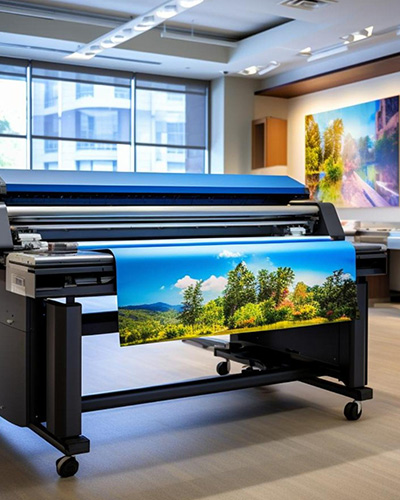
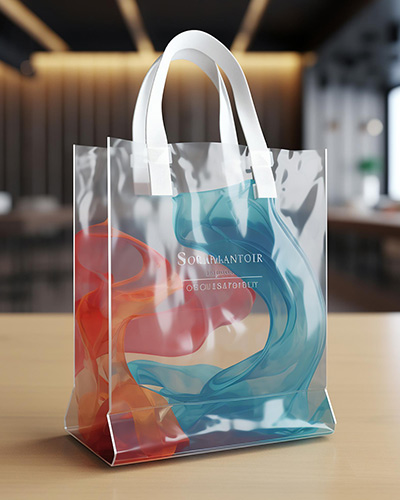
Banner printing stands as a fundamental element in the realm of visual marketing and event promotion. It involves the creation of large-scale visual displays designed to attract attention, convey messages, and enhance brand visibility. Banners serve a multitude of purposes, ranging from advertising campaigns, trade shows, and storefront displays to event signage and outdoor promotions. Their prominence in both commercial and community contexts makes them a vital communication tool.
The significance of high-quality banner printing cannot be overstated. Clear, vibrant visuals combined with durable materials ensure that banners leave a lasting impression and withstand various environmental conditions. Customization plays a pivotal role in banner effectiveness, allowing businesses and organizations to tailor messages, branding, and design elements to specific target audiences and marketing objectives.
In today’s competitive landscape, the importance of selecting the right printing techniques and materials becomes paramount. Professionally printed banners not only catch the eye but also reinforce brand consistency and credibility. Whether used indoors or outdoors, banners must be crafted with precision to maximize impact and longevity.
Banner printing as a service offers diverse options to meet different needs. From small promotional banners for retail shops to expansive billboards for outdoor marketing campaigns, the scope of applications is broad. Advanced printing technology enables the production of detailed graphics, high-resolution images, and vibrant color schemes, all contributing to compelling visual displays.
Overall, banner printing stands as a vital component of strategic marketing initiatives. Its ability to combine visual appeal with durability and customization ensures that messages resonate effectively with audiences, making it an indispensable part of promotional efforts across industries.
Choosing the Right Materials for Banner Printing
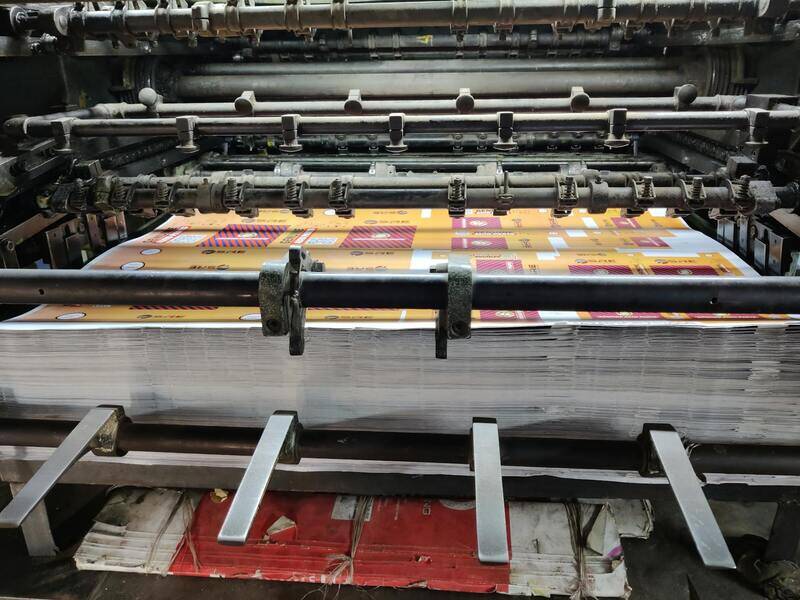
Selecting appropriate materials is crucial to ensure the longevity, visual clarity, and overall effectiveness of your banners. Different applications demand specific material properties, making it essential to understand the strengths and limitations of each option.
Vinyl remains the most popular material for large-scale and outdoor banners due to its high durability and weather resistance. It withstands exposure to sunlight, rain, and wind, maintaining its vibrant appearance over extended periods. There are variations such as calendared vinyl and cast vinyl, with cast vinyl offering superior conformability and longer lifespan, ideal for complex installation scenarios.
Fabric banners are favored for indoor displays and events where a premium, sophisticated look is desired. They typically feature polyester or nylon fabrics that provide a smooth surface for high-resolution printing. These materials are lightweight and easy to fold or transport, but may not endure harsh weather conditions without additional protective coatings.

Mesh banners, constructed with a perforated material, are designed for outdoor environments with high wind conditions. The tiny holes allow wind to pass through, reducing strain on installation points and preventing tear issues. This makes them ideal for large building wraps or construction site banners.
Retractable banners, often made with lightweight aluminum frames and fabric or vinyl printing, are portable and easy to set up. They are frequently used for trade shows, conferences, and promotional events, offering a versatile solution that combines visual impact with convenience.
In addition to these primary materials, special coatings can enhance durability, such as laminate layers for scratch resistance or UV coatings for color preservation under intense sunlight. The choice of material and coatings directly influences the overall quality, cost, and suitability of the banner for its intended environment.
Ultimately, selecting the right material hinges on the intended use, environmental conditions, and budget considerations. Consulting with a professional banner printing service helps identify the optimal combination of material and print technology to meet specific marketing goals while ensuring durability and visual appeal.
Choosing the Right Materials for Banner Printing
When selecting materials for banner printing, it is essential to evaluate their durability, weather resistance, and compatibility with the intended display environment. Vinyl remains a popular choice for its robustness and flexibility, making it suitable for both indoor and outdoor applications. It resists tearing and can withstand exposure to varying weather conditions, especially when treated with protective coatings. Fabric banners, on the other hand, offer a sophisticated appearance with vibrant color reproduction, ideal for indoor events, exhibitions, or retail displays. Their lightweight nature allows for easy handling and installation.
Mesh materials are specifically designed for outdoor settings where wind loads are significant. The perforated surface allows air to pass through, reducing wind pressure that could potentially damage or displace the banner. This feature makes mesh banners optimal for large-scale outdoor advertising, such as building wraps or construction site signage. Additionally, special coatings like UV-resistant layers can be applied to enhance color retention and reduce fading caused by prolonged sunlight exposure. For banners exposed to harsh environments, considering materials that offer water resistance and mold resistance is crucial to maintain visual integrity over time.

Understanding the environmental conditions where the banner will be displayed guides the material selection process. For temporary advertising, lightweight materials like fabric or thinner vinyl may suffice, providing cost efficiency and quick installation. Conversely, for long-term outdoor use, thicker vinyl with UV coating and reinforced edges are recommended to ensure longevity. Consulting with a professional printing service allows clients to make informed decisions based on specific needs, ultimately resultings in a banner that maintains its effectiveness and appearance through its lifespan.
Factors Affecting the Choice of Banner Printing Materials
- Expected Exposure: Indoor vs. outdoor use determines the need for weatherproof and UV-resistant materials.
- Duration of Display: Short-term displays may use lightweight, cost-effective options, while permanent signs require more durable substrates.
- Design Complexity: Materials that support high-resolution printing ensure detailed visuals and vibrant colors.
- Installation Environment: Wind conditions, temperature fluctuations, and physical contact influence material resilience.
- Budget Constraints: Price differences between materials should be balanced with longevity requirements to optimize investment.
Matching the appropriate material with the specific campaign goals, environment, and budget results in a banner that effectively communicates the intended message while resisting environmental stresses. Professional banner printing services provide valuable expertise to guide clients in making the best material selection for their particular needs, ensuring optimal visual impact and durability.
Detailed Process of Banner Printing
Once the design and materials are selected, the next crucial step involves preparing the digital files for printing. This preparation includes ensuring that the resolution is sufficiently high, typically 300 DPI or higher, to capture all visual details crisply and vividly. Color modes should be set to CMYK to reflect the precise hues during the printing process. Additionally, design files must be checked for any bleeds or margins to ensure that no important content is trimmed during finishing.
Proceeding to the actual printing process, several advanced techniques are employed to achieve quality results. Large-format digital printing is the most prevalent method, allowing for high-resolution outputs on various substrates. This process uses wide-format inkjet printers capable of handling sizable banner materials with precision and color depth. For banners requiring very vivid colors and detailed graphics, UV printing technology might be employed, providing enhanced durability alongside superior color vibrancy.
Another recognized method involves solvent or eco-solvent printing, which ensures weather resistance and longevity ideal for outdoor banners exposed to the elements. These inks penetrate the material surface and are highly resistant to fading, water, and other environmental stresses. Specialized printing setups also facilitate double-sided banners, which are useful for high-traffic locations, ensuring visibility from multiple directions.

After the printing process, banners typically undergo finishing procedures such as trimming, hemming, and adding grommets or pole pockets to facilitate installation. These steps enhance the structural integrity of the banner and simplify mounting procedures. Quality assurance measures, including color checks and physical inspections, are critical before delivery to verify that the printed banners meet the desired specifications.
Choosing a professional printing service with up-to-date equipment and skilled technicians ensures that each step—from digital file preparation to final finishing—meets high standards. This meticulous approach not only guarantees visual excellence but also extends the lifespan of the banners, making them suitable for various environments and campaign durations.
Installation and Maintenance of Banners
Proper installation and ongoing maintenance are crucial to maximize the impact and lifespan of your banners. Selecting the appropriate mounting hardware depends on factors such as banner size, location, and intended duration of display. Common methods include grommets, hemmed edges with pole pockets, adhesive adhesives, or tension systems. Each approach offers specific advantages, whether it's ensuring a taut appearance, ease of setup, or adaptability to different surfaces.
Once installed, regular maintenance helps preserve the visual quality of your banners. Routine cleaning with mild, non-abrasive solutions removes dirt, dust, and environmental pollutants that may accumulate over time. For outdoor banners, inspecting for tears, fading, or hardware issues allows prompt repairs, preventing further damage and maintaining a professional appearance. Wind, rain, and UV exposure are primary factors affecting banner durability; therefore, using weather-resistant materials and sturdy mounting solutions is essential for longevity.
In high-traffic or exposed outdoor settings, additional protective measures such as applying UV-resistant sprays or reinforcements at stress points can significantly extend the banner’s usability. When banners are no longer functional or visibly damaged, proper disposal or recycling practices should be followed to minimize environmental impact. Employing a qualified installation team ensures safety and adherence to local regulations, especially for large or high-positioned banners.

Best Practices for Banner Maintenance
- Schedule regular inspections for signs of wear or damage.
- Clean banners periodically using gentle detergents and soft cloths.
- Secure all hardware firmly to prevent sagging or tearing.
- Reinforce stress points, especially on outdoor displays exposed to wind.
- Remove banners during extreme weather events to prevent damage.
- Store banners in cool, dry conditions when not in use for extended periods.
Adhering to these maintenance practices ensures your banners retain their vibrant appearance and structural integrity, providing long-term advertising benefits.
Legal and Official Methods for Banner Printing
When it comes to producing banners for promotional or informational purposes, employing official and recognized methods ensures the quality, durability, and compliance of the final product. The foundation of legitimate banner printing involves selecting accredited printing companies that utilize certified printing equipment and adhere to industry standards. Such providers maintain transparency regarding their processes and materials, which helps in achieving consistent, high-quality results.
Using legally acquired and licensed software for design creation guarantees that all graphics, fonts, and images conform to copyright regulations. This approach not only protects the client's interests but also ensures that the finished banner does not infringe on intellectual property rights, avoiding legal complications.
The materials used in banner production should be sourced from reputable suppliers that comply with safety and environmental regulations. Certification labels and compliance documentation from material manufacturers serve as proof of legitimacy, ensuring that the banner will meet industry standards for weather resistance, colorfastness, and structural integrity.
In addition to material legitimacy, choosing a printing vendor with quality assurance certifications—such as ISO or similar standards—provides assurance that the printing process and final product meet stringent quality criteria. These certifications often require regular audits and adherence to environmental and safety protocols, emphasizing the company's commitment to delivering reliable products.
Engaging with established industry associations or professional bodies can further confirm the legitimacy of a banner printing service provider. Membership in such organizations often requires adherence to a code of conduct, ongoing skill development, and investment in cutting-edge technology—all of which contribute to delivering authentic, high-caliber banners.
By following official procedures in design, material sourcing, and production, clients can guarantee that their banners are produced responsibly, with long-lasting results aligned with industry standards. These practices promote confidence in the final product while fostering trust and accountability between clients and service providers.
Overview of Banner Printing
Banner printing serves as a fundamental method for conveying marketing messages, branding, or information through large-format visuals. This method utilizes specialized printing techniques to produce vibrant, durable banners suitable for both indoor and outdoor display. The importance of adhering to official standards in banner printing ensures that the resulting products maintain their visual impact and structural integrity over time, regardless of environmental conditions.
Official Methods for Banner Printing
Implementing official and legitimate processes in banner printing involves the use of certified materials, adherence to industry best practices, and alignment with established safety and quality standards. These methods typically include sourcing recognized printing substrates, leveraging certified inks to guarantee color accuracy and weather resistance, and employing advanced printing technologies that meet technical specifications for large-format output. Employing such processes not only enhances the banner’s appearance but also ensures its performance and longevity, especially for outdoor promotional campaigns.

Reliable banner printing involves independent verification procedures such as quality control inspections, material authenticity checks, and compliance with environmental safety protocols. Verifying that printing processes utilize licensed equipment and that inks and substrates are explicitly approved for outdoor use helps guarantee that banners will withstand exposure to various weather elements without fading or deteriorating prematurely. This commitment to legitimacy in the production process fosters trust, ensuring that businesses and organizations receive banners that meet or exceed industry standards for performance and safety.
Methods to Ensure Authenticity and Professionalism in Banner Printing
- Source printing materials from accredited suppliers with verifiable certifications.
- Utilize printing technologies compliant with recognized standards, such as eco-friendly or weather-resistant certifications.
- Ensure that the printing vendor employs up-to-date equipment calibrated according to industry specifications.
- Request documentation that confirms adherence to environmental, safety, and quality protocols.
- Engage with vendors who are members of reputable industry associations, demonstrating commitment to ongoing professional development and adherence to ethical practices.
These official measures serve as a foundation for producing banners that are not only visually appealing but also durable, safe, and compliant with industry norms. Such practices contribute to longer-lasting displays that effectively fulfill their promotional or informational roles while avoiding issues associated with unverified or substandard production methods.

Comprehensive Guide to Banner Printing Authenticity and Professionalism
When investing in banner printing, ensuring the authenticity and professionalism of the service provider is essential for achieving high-quality results that effectively convey your message and stand the test of time. Several key steps can be taken to verify the authenticity of a banner printing provider and ensure that your project adheres to established industry standards.
Strict Source Material Selection
Begin by confirming that the printing vendor sources their materials from reputable suppliers with verifiable credentials. Use of certified fabrics, inks, and backing materials is a cornerstone of producing banners that are both visually appealing and durable. Materials should comply with recognized industry standards for weather resistance, colorfastness, and environmental safety, ensuring your banners remain vibrant and intact in various conditions.
Utilization of Certified and Compliant Technologies
The printing process should employ advanced technologies that meet or exceed recognized standards. For instance, eco-friendly or weatherproof certifications indicate that the printing methods align with sustainability and durability benchmarks. Equipment such as large-format printers should be regularly calibrated to produce consistent, high-resolution outputs that accurately reflect your design intents.
Documentation and Certification Verification
Requesting and reviewing documentation that confirms compliance with safety, environmental, and quality standards is a vital step. Reliable vendors will readily provide certificates demonstrating adherence to industry norms, environmental regulations, and safety protocols. This documentation acts as a badge of assurance that your banner will meet professional standards and perform reliably over time.
Membership in Reputable Industry Associations
Engaging with vendors affiliated with recognized industry organizations indicates a commitment to ongoing professional development and adherence to best practices. These associations often enforce strict guidelines for member conduct, ensuring your choice of a service provider aligns with ethical standards and industry excellence.
Visit and Inspection of Production Facilities
If feasible, visiting the printing facility allows for firsthand assessment of equipment quality, cleanliness, and operational standards. Such inspections can reassure clients about the legitimacy of the production environment, reinforcing confidence in the final product's authenticity.
Guarantees and Warranties
Participants in professional banner printing typically offer guarantees on their work, covering aspects like color accuracy, material durability, and print adhesion. Carefully review these warranties to understand the scope of coverage and how disputes or issues are addressed. Authentic providers are transparent about their policies and committed to client satisfaction.
Customer Testimonials and Portfolio
Reviewing authentic testimonials and a portfolio of previous work provides insight into the vendor's reliability and quality standards. Legitimate providers will showcase their best projects, enabling you to gauge their expertise and focus on producing banners that meet your specifications and expectations.
Conclusion
Ensuring the authenticity and professionalism of your banner printing partner involves meticulous verification of sourcing practices, compliance with recognized standards, and transparent communication. By prioritizing these official and verifiable measures, you secure banners that not only serve their promotional or informational purpose effectively but also stand up to environmental challenges and time, ultimately safeguarding your investment and reputation.