Understanding Custom Booklet Printing
Custom booklet printing is a versatile and personalized printing service that enables individuals and organizations to produce booklets tailored specifically to their needs. This process involves designing, formatting, and printing booklets in various sizes and formats, offering a high level of customization to suit different purposes and audiences. Whether for marketing, education, or internal use, custom booklets serve as an impactful medium for conveying information in a structured and visually appealing manner.
Common formats for custom booklets range from small folded leaflets to large, saddle-stitched publications. Typical sizes include A4, A5, or custom dimensions that align with the content's nature and the intended presentation style. The purposes behind custom booklet printing are equally diverse, encompassing promotional materials, event programs, product catalogs, training manuals, brochures, and more.
Across various sectors, custom booklets are integral tools for branding and communication. Businesses leverage them for marketing campaigns, showcasing products, or explaining services in-depth. Educational institutions utilize booklets for curricula, guides, or instructional materials. Nonprofit organizations may produce informational booklets to raise awareness about causes or initiatives. The ability to customize each aspect—layout, content, and aesthetics—ensures that the final product resonates with its target audience and effectively delivers its message.
In today’s competitive environment, the demand for high-quality, uniquely tailored print materials has increased. Custom booklet printing provides a solution that combines professional presentation with flexibility, allowing clients to control every detail from paper choice to binding styles. This ensures that each booklet not only meets the specific needs of the project but also reflects the brand’s identity and integrity.
When engaging in custom booklet printing, understanding the fundamental aspects—such as formats, purposes, and typical uses—sets the foundation for a successful project. Clear goals, thorough planning, and collaboration with experienced printing professionals can greatly enhance the final outcome. This approach guarantees that the finished product aligns precisely with the envisioned message, aesthetic, and functionality desired by the creator.
Materials and Paper Options for Custom Booklet Printing
Choosing the right materials and paper for your custom booklet is pivotal in achieving the desired quality, durability, and visual impact. The selection process begins with understanding the various types of paper available and their respective advantages. For instance, coated papers such as gloss and matte finishes provide a sleek, professional appearance, perfect for high-end branding or vibrant graphics. Uncoated papers, on the other hand, are preferred for text-heavy booklets that require easy writing or scanning, offering a natural, tactile feel that enhances readability.
Weight and thickness, often measured in grams per square meter (gsm), further influence the sturdiness and perception of your booklet. Lightweight papers (around 80-120 gsm) are suitable for brochures or promotional materials, while heavier stocks (above 170 gsm) are ideal for covers or premium editions. Additionally, specialty papers—such as textured, recycled, or embossed options—allow for unique tactile experiences, reinforcing your brand’s commitment to quality and sustainability.

Binding methods also play a significant role in material choice. Saddle stitching, perfect binding, and spiral binding each necessitate specific paper and cover options to ensure durability and aesthetic consistency. For example, thick cardstock covers are often paired with perfect binding for a polished look, while slimmer booklets might utilize saddle stitching with lighter paper to keep costs manageable.
Considering environmental impact is increasingly important for many clients. Recycled paper options are now readily available and can be customized with eco-friendly inks, aligning your project with sustainable practices without compromising visual quality. Ultimately, the materials selected should harmonize with your design goals, functional needs, and budget constraints to produce a high-quality, impactful booklet.
Advanced Printing Techniques for Enhanced Custom Booklets
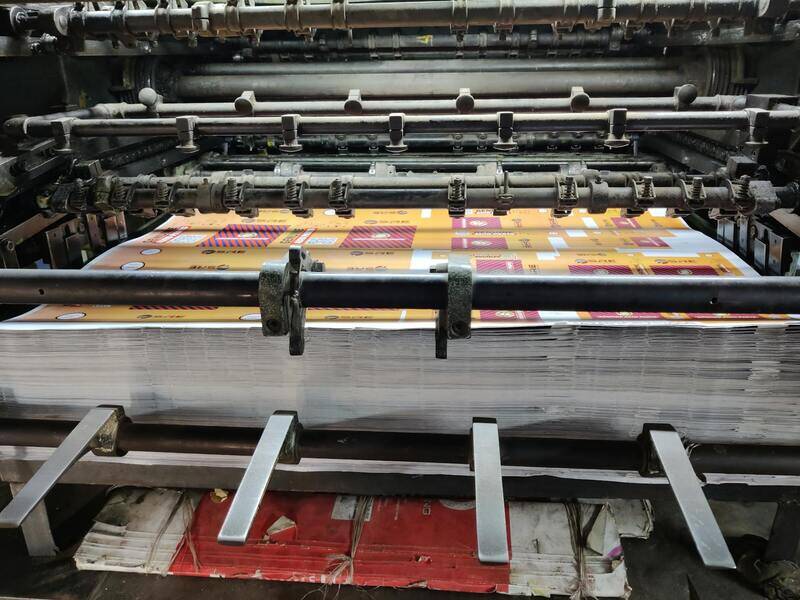
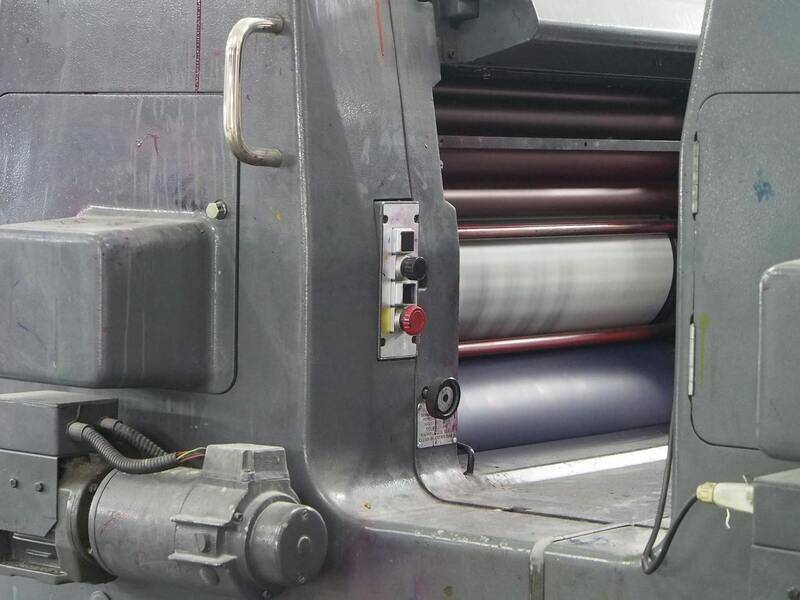
To achieve superior quality and unique visual effects, leveraging advanced printing techniques is essential in custom booklet production. Digital printing offers precision, quick turnaround, and suitability for short runs, making it ideal for projects requiring frequent updates or limited quantities. Offset printing, on the other hand, provides high-resolution output with consistent color reproduction, suitable for large orders demanding detailed imagery and vibrant finishes.
Spot UV coating is a popular technique that applies a glossy layer to specific areas, creating a striking contrast with matte or uncoated backgrounds. This feature is excellent for highlighting titles, logos, or images, bringing a sophisticated touch to your booklet. Embossing and debossing add tactile dimension, elevating the tactile experience of covers or key design elements. These techniques can reinforce brand symbolism or add elegance to high-end publications.
UV coating, lamination, and foil stamping are additional methods available to enhance durability and aesthetic appeal. UV coating provides a protective layer that resists scuffs and moisture, ideal for booklets that will undergo frequent handling. Foil stamping introduces metallic accents, conveying luxury and exclusivity, especially suitable for corporate reports, awards, or promotional materials.
Utilizing Relevant Customization Features and Add-ons
Personalization options enable your custom booklet to stand out and resonate with your target audience. Variable data printing allows for individual customization of each copy, adding names, personalized messages, or tailored images, great for direct marketing campaigns or special editions. Incorporating branded elements such as custom logos, color schemes, or thematic motifs ensures consistency with your corporate identity and enhances recognition.
Additional add-ons include die-cut shapes, fold-out pages, or magnetic closures that add functional and aesthetic value to your booklet. These features can create interactive experiences, showcase multi-dimensional visuals, or make the booklet more memorable. For example, incorporating a die-cut window can reveal an important element beneath, attracting attention effectively.
High-quality finishes, such as rounded corners or textured covers, further elevate the perceived value of your product. Embossed lettering or textured laminates evoke a premium feel, reflecting the quality standards of your brand or message. These thoughtful customization options enable a tailored approach that aligns with your project's goals and audience expectations.

Effective Techniques for Ensuring High-Quality Custom Booklet Printing
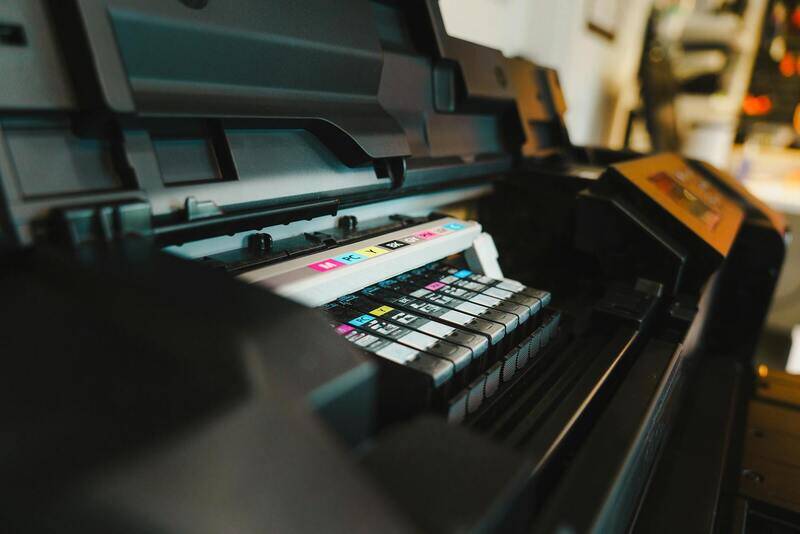
When aiming for precision and excellence in custom booklet printing, selecting the appropriate printing techniques is critical. The decision between digital and offset printing significantly impacts the final product's quality, cost, and turnaround time. Digital printing offers versatility, quick production, and cost-effectiveness for smaller runs or prototypes, making it suitable for personalized editions or limited editions with variable data. Offset printing, on the other hand, excels in producing high volumes with consistent color fidelity and superior print quality, ideal for larger projects demanding impeccable finishing. For added visual appeal and durability, incorporating advanced printing techniques such as UV coating, embossing, and foil stamping can elevate your booklet’s appearance. UV coating provides a glossy or matte finish that enhances colors and protects the print surface, making it resistant to smudges and scratches. Embossing creates a tactile raised effect on specific elements, drawing attention to logos, titles, or decorative motifs. Foil stamping introduces metallic accents that add luxury and sophistication, ideal for branding or special editions. The choice of printing method and finishing techniques should align with your project's goals, budget, and timeline. Working closely with a professional printing provider ensures that these options are effectively executed, resulting in a high-quality product that resonates with your intended audience.
Exploring Personalization and Customization Capabilities
Personalization significantly enhances the impact of custom booklets by tailoring content to individual preferences or specific audience segments. Variable data printing allows for dynamic customization, enabling each copy to feature unique elements such as recipient names, personalized messages, or customized images. This approach is particularly effective in direct marketing campaigns, event handouts, or limited-edition publications, as it fosters a deeper connection with recipients. Apart from variable data, incorporating branded elements like custom logos, consistent color schemes, and thematic visuals helps reinforce brand recognition and message coherence. Customization features such as die-cut shapes, fold-out sections, or magnetic closures add functional and aesthetic dimensions, creating interactive and memorable experiences. For example, a die-cut window can showcase an important detail beneath, increasing visual engagement. Selecting textures and finishes that complement your design enhances perceived value. Textured covers, rounded corners, embossed details, and textured laminates evoke a tactile luxury, reinforcing your brand's image and ensuring the booklet stands out.

Understanding Custom Booklet Printing
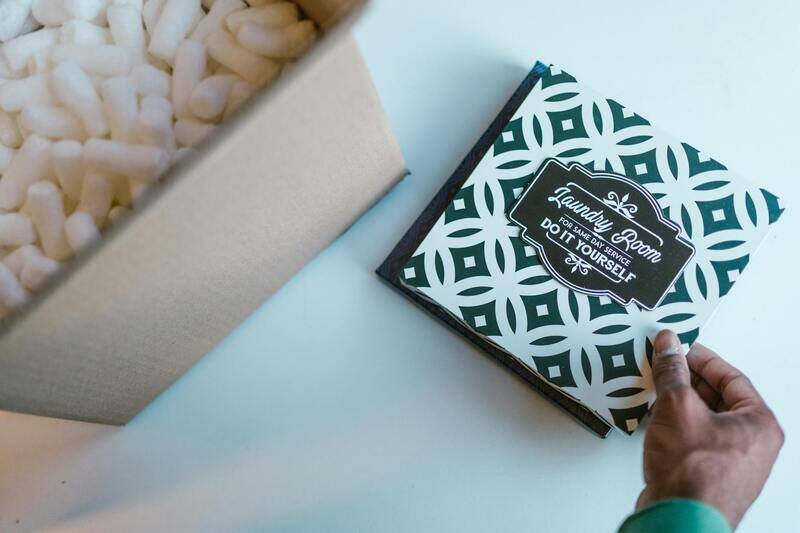
Custom booklet printing involves creating professionally designed booklets tailored to meet the specific needs and branding requirements of your organization or project. This process encompasses selecting the right paper quality, binding styles, finishing options, and printing techniques to produce a cohesive product that effectively communicates your message. The appeal of custom booklets lies in their versatility—they can serve as marketing collateral, event programs, training materials, or product catalogs, each benefiting from personalized design elements and premium finishes.
Modern advancements in printing technology have expanded the possibilities for customization, allowing for high-resolution images, vibrant color reproduction, and intricate design details. These factors are crucial in establishing a strong visual identity and conveying professionalism. When engaging with a reputable printing service, you can expect consultations to help determine the most suitable options based on your objectives, budget, and target audience. This collaborative approach ensures that every aspect, from layout to material choice, aligns perfectly with your vision.
Design Considerations for Custom Booklets
Effective design is central to the success of a custom booklet. It requires balancing visual appeal with readability and functionality. Here are key considerations:
- Layout and Structure: Organize content clearly with a logical flow, utilizing grids and alignment to enhance visual harmony.
- Brand Consistency: Incorporate brand colors, logos, and visual motifs to strengthen recognition.
- Content Optimization: Use succinct, engaging language paired with compelling visuals to keep the reader interested.
- Interactivity: Include fold-out sections, pockets, or magnetic closures to make the booklet more engaging.
- Accessibility: Choose readable fonts and ensure sufficient contrast for easy navigation.
Materials and Paper Options
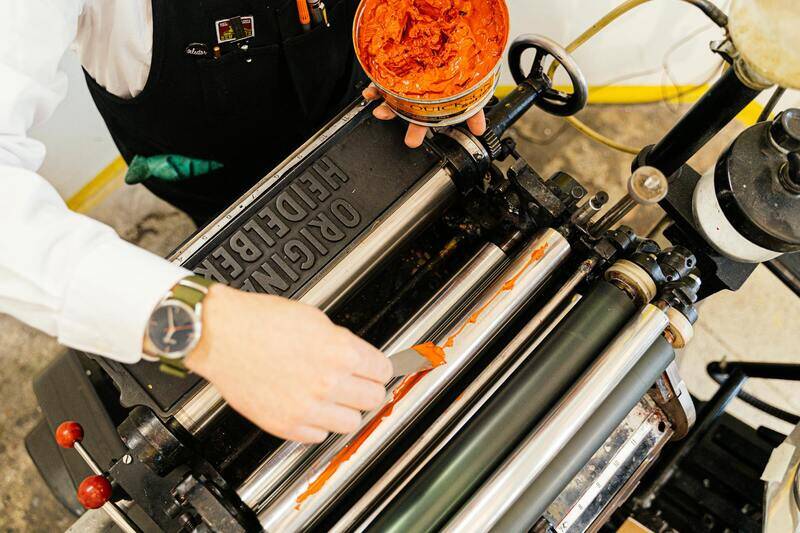
The choice of paper and materials significantly influences the tactile experience and longevity of your booklet. Selecting the right paper weight and finish can elevate the perceived quality and durability of your product. Common options include:
- Glossy Paper: Ideal for vibrant images and sharp graphics, creating a polished appearance.
- Matte Paper: Offers a subtle, non-reflective finish suited for text-heavy content and a sophisticated look.
- Uncoated Paper: Provides a natural feel, perfect for writing or sketching sections within the booklet.
- Textured and Specialty Papers: Embossed, linen, or recycled paper options add tactile interest and environmental benefits.

Printing Techniques and Technologies
The selection of printing techniques impacts the quality, cost, and overall appearance of your custom booklet. Modern technologies such as digital printing, offset printing, and advanced finishing methods enable a customized approach tailored to your project requirements.
- Digital Printing: Suitable for short runs with quick turnaround times, offering high-quality images and variable data options for personalized content.
- Offset Printing: Cost-effective for larger quantities, producing consistent, high-resolution results with excellent color accuracy.
- Spot UV Coating: Adds a shiny, protective overlay to specific elements like headers or logos, creating visual contrast.
- Embossing/Debossing: Provides tactile depth to logos or design elements, making your booklet stand out physically.
- Die-Cutting: Allows for custom shapes and windows that can reveal underlying content or add decorative flair.
Combining these techniques strategically can significantly enhance the visual appeal and tactile experience of your custom booklet, ensuring it captures attention and elevates your branding efforts.
Understanding Custom Booklet Printing
Custom booklet printing involves the creation of professionally designed booklets tailored to specific needs, whether for marketing, educational purposes, or corporate documentation. This process combines various elements such as unique design, high-quality materials, advanced printing techniques, and personalized finishing options to produce a final product that effectively communicates your message and reflects your brand identity.
In the realm of custom booklet printing, selecting the appropriate printing method plays a vital role in achieving the desired quality and efficiency. Techniques such as digital printing are ideal for short runs and enable quick turnaround times, while offset printing is better suited for larger volumes, offering superior color fidelity and sharpness. Additionally, the integration of special effects like spot UV coating, embossing, or die-cutting can significantly enhance the visual and tactile appeal of your booklets, making them stand out in the competitive marketplace.

Design Considerations for Custom Booklets
Effective design is fundamental to maximizing the impact of your custom booklet. From layout and typography to imagery and color schemes, every element should align with your brand and communicate your message clearly. Consistency in design features fosters recognition and trust among your target audience.
- Page Layout: Balanced use of space and logical flow guide readers smoothly through content.
- Typography: Clear, legible fonts that complement the overall design theme.
- Imagery: High-resolution images that reinforce the text and enhance visual interest.
- Color Palette: Strategic use of colors to evoke emotions and highlight important sections.
Furthermore, incorporating interactive elements such as fold-outs or flaps can increase engagement. Customization extends to the size and binding style, allowing you to choose formats that best suit your distribution method and aesthetic preferences.
Materials and Paper Options
The choice of materials significantly influences the booklet’s durability, appearance, and tactile experience. Various paper types and finishes cater to different objectives, environmental considerations, and budgets.
- Uncoated Paper: Offers a natural feel, ideal for handwritten annotations or sketches, and lends a classic, understated elegance.
- Glossy Paper: Enhances vibrant images and provides a sleek, polished finish, perfect for marketing materials.
- Matte Paper: Creates a sophisticated look with reduced glare, suitable for more subdued or artistic projects.
- Textured and Specialty Papers: Options such as linen, embossed, or recycled papers add tactile interest and environmental benefits.
Printing Techniques and Technologies
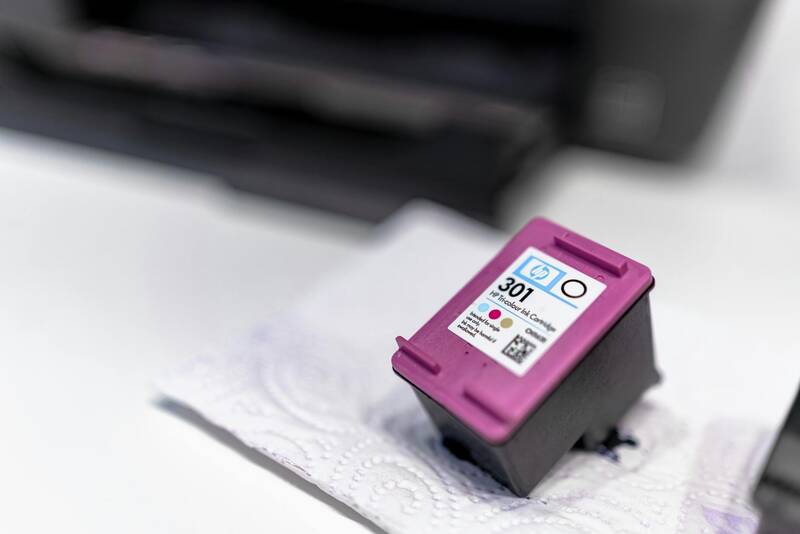
The selection of appropriate printing methods directly influences the final quality and cost-effectiveness of your booklet. Modern printing technologies provide a range of options to meet diverse project specifications.
- Digital Printing: Ideal for short runs, offering fast turnaround, high-resolution images, and the ability to customize content on a per-copy basis.
- Offset Printing: Suitable for larger quantities, delivering consistent high-quality results with accurate color reproduction.
- Spot UV Coating: Adds a glossy finish to specific areas such as logos or headers, creating contrast and a premium look.
- Embossing and Debossing: Adds tactile depth, making design elements stand out physically and visually.
- Die-Cutting: Allows for unique shapes and window cutouts that can reveal content or add decorative elements.
Combining these techniques thoughtfully enhances both the aesthetic and tactile qualities of your booklet, resulting in a product that captures attention and elevates your branding.
Understanding Custom Booklet Printing
Custom booklet printing encompasses a comprehensive process that involves tailoring every aspect of the publication to meet specific branding, marketing, or informational needs. The process begins with detailed planning, which includes selecting the appropriate size, layout, and content structure. Customization extends beyond content to include unique binding options, creative covers, specialized finishes, and personalized inserts. This meticulous approach ensures that each booklet not only conveys the intended message effectively but also leaves a lasting impression on its audience. High-quality custom booklet printing requires precise coordination between design, material selection, and printing technology, making it essential to collaborate with experienced printing professionals who understand the nuances of producing bespoke print products. It also involves choosing suitable formats that suit your distribution method, whether for handouts, mailers, or standalone displays. When executed correctly, custom booklet printing elevates your branding by demonstrating attention to detail, craftsmanship, and a commitment to quality that resonates with your target audience.

Design Considerations for Custom Booklets
Effective design is fundamental in creating compelling custom booklets. It begins with a clear visual hierarchy that guides readers seamlessly through the content, highlighting key messages and calls to action. Strategic use of color schemes, typography, and imagery enhances readability and aesthetic appeal. Incorporating branding elements such as logos, brand colors, and fonts ensures consistency with your corporate identity. Layout decisions—such as margins, gutter, and spacing—must facilitate ease of navigation and ensure a polished appearance. Consider the overall style—whether modern, minimalist, or classic—that aligns with your brand personality and target demographics. Additionally, unique design features like fold-outs, inserts, or die-cut elements can add an interactive dimension, engaging readers and making your booklet stand out. It’s vital to collaborate closely with graphic designers and printing experts early in the process to determine which design features will translate most effectively into the chosen materials and printing techniques.

Materials and Paper Options
The selection of materials and paper types significantly influences the appearance, durability, and tactile experience of your custom booklet. Standard options include gloss, matte, and satin finishes—each offering distinct visual effects and feel. Gloss paper enhances vibrant images and detailed graphics, ideal for colorful promotional or product booklets. Matte paper provides a subdued, elegant surface with reduced glare, suitable for text-heavy or artistic projects. Specialty papers, such as linen, textured finishes, recycled materials, or embossed stocks, add tactile interest and ecological benefits, aligning with sustainable branding initiatives. For high-end presentations, thick cardstock or cover stocks deliver durability and a premium feel. Additionally, options like translucent or metalized papers are available for more innovative and eye-catching designs. Collaborating with printing specialists allows you to match the right material choice to your intended aesthetic and functional requirements, ensuring your booklet’s quality and longevity meets your expectations.
Printing Techniques and Technologies
Modern printing technologies provide versatility and precision necessary for producing high-quality custom booklets. Digital printing is optimal for short runs or projects requiring variable data, enabling quick turnaround times without sacrificing image clarity. Offset printing, on the other hand, excels in large-volume production, ensuring consistent color matching and sharp details. Advanced finishing techniques such as spot UV coating add gloss and visual contrast to specific elements, elevating perceived quality. Embossing and debossing introduce tactile effects, creating physical depth that makes design features pop. Die-cutting allows for intricate cutout shapes, including windows or decorative edges, enhancing the booklet’s aesthetic and functional attributes. Foil stamping can also be incorporated to add metallic accents, elevating the luxurious feel. Combined thoughtfully, these techniques can produce a sophisticated, customized final product that aligns with your brand message and resonates with your audience. Investing in appropriate printing methods ensures your booklet not only looks exceptional but also maintains durability and usability over time.

Understanding Custom Booklet Printing
Custom booklet printing involves producing tailored printed materials that reflect your specific design, content, and structural preferences. This process allows businesses, organizations, and individuals to create unique marketing collateral, detailed catalogs, event programs, or personal portfolios that stand out. The precision of modern printing techniques combined with a variety of material options enables the creation of durable, visually striking booklets that communicate your message effectively. When choosing to design and print a custom booklet, carefully consider the scope of your project, including page count, size, and desired finishing touches, all of which influence the final output. Clear planning and collaboration with experienced print providers ensure your vision is accurately translated into a high-quality finished product.
Design Considerations for Custom Booklets
The design stage is critical to the success of your custom booklet. Effective layouts should balance text and imagery, ensuring readability and visual appeal. Consistent branding elements, such as logos, color schemes, and font choices, reinforce your identity. Incorporating high-resolution images and vector graphics enhances clarity, especially if the booklet includes intricate details or detailed charts. Strategic use of white space prevents clutter and guides the reader’s eye, making the content more engaging. Consider the sequence and flow of information—logical progression helps readers navigate the material seamlessly. Additionally, selecting a suitable size and binding style impacts both the look and functionality of the finished product. Collaborate with professional designers or utilize design services offered by your printer to achieve a cohesive and polished layout.
Materials and Paper Options
The choice of paper and materials significantly impacts the tactile experience and durability of your booklet. Options range from standard matte or gloss paper to premium finishes like satin or luster, each offering unique visual effects. Heavier paper stocks provide a sturdy feel, ideal for prolonged handling or luxury presentations. For eco-conscious projects, recycled paper or FSC-certified materials support sustainable practices without compromising quality. Special coatings, such as UV gloss or matte finish, can protect printed surfaces from wear and enhance color vibrancy. Additionally, textured papers, like linen or felt, add a tactile dimension that can elevate the perceived value of your booklet. Selecting appropriate materials based on your budget and intended use ensures your booklet remains durable and attractive over time.
Printing Techniques and Technologies
Modern printing methods facilitate high precision and customization options for booklet production. Digital printing is preferred for short runs and projects requiring rapid turnaround, allowing for precise color matching and quick modifications. Offset printing, suited for larger quantities, offers consistent color reproduction and sharp details at a lower cost per unit in bulk. Incorporating special finishing techniques enhances the visual appeal and sensory experience of your booklet. Spot UV coating can highlight specific design elements with a glossy finish, while embossing or debossing introduces tactile textures. Die-cutting allows for creative shapes and window cutouts, providing an interactive element. Foil stamping adds metallic accents for a premium feel. Combining these advanced techniques ensures that your custom booklet will be not only visually impressive but also durable and functional for its intended purpose.
Customization Features and Add-ons
Enhancing your booklet with additional features can significantly boost its impact. Custom inserts, such as pockets or fold-outs, add interactive and informative elements. Embellishments like metallic foils, spot UV coatings, or silk lamination can make certain pages or features stand out. Special binding options, including saddle-stitched, perfect binding, or wire-o binding, offer varied aesthetic and functional attributes suited to your content and presentation style. Incorporating personalized elements, such as variable data printing or customized cover designs, creates a unique and tailored experience for your audience. Additionally, incorporating perforations or tear strips can add a practical element for ease of use. These add-ons differentiate your booklet from mass-produced alternatives, making it a memorable and professional tool for your branding or communication goals.
Pricing Factors and Budgeting
The cost of custom booklet printing varies depending on several key factors. The number of pages and the overall page size influence material and printing expenses. Higher-quality paper and specialty finishes, such as textured or coated options, typically increase costs. The volume of copies required directly impacts unit pricing—larger runs often reduce overall expenditure due to economies of scale. Specific binding styles and elaborate finishing techniques, like foil stamping or embossing, also contribute to the total cost. Design complexity and the inclusion of custom features or add-ons further influence pricing. Establishing a clear budget early helps in selecting appropriate materials and techniques that align with your financial plan. Working with a professional printer allows for detailed quotations and advice on cost-effective options that maximize your investment.
Choosing a Printing Service Provider
Selecting a reputable printing partner is essential to realizing your vision for a custom booklet. Look for providers with extensive experience in booklet printing, demonstrated by a portfolio of completed projects. Their expertise ensures the use of advanced printing technologies and high-quality materials, resulting in a polished final product. Assess customer reviews and seek recommendations to gauge reliability and service quality. An attentive service team can offer valuable insights into design optimization, material selection, and cost planning. Transparency in pricing, turnaround times, and delivery options further ensures a smooth process. A well-established provider can also advise on sustainable practices and innovative finishing techniques to elevate your booklet’s appearance and longevity, ultimately ensuring your project’s success from concept to delivery.