Understanding Large Photo Prints
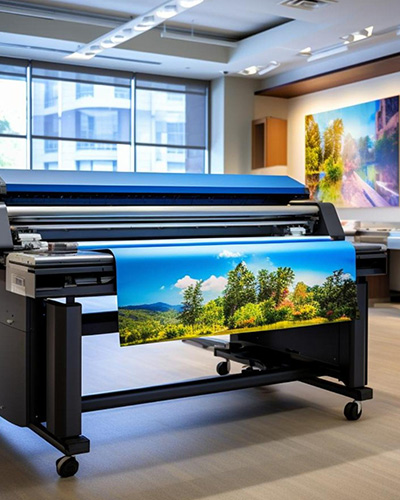
Large photo prints serve as striking visual statements, transforming photographs into captivating wall art or promotional displays. These prints are characterized by their substantial dimensions, which typically range from 24 inches by 36 inches to expansive murals and beyond. Such sizes are favored for their ability to showcase detailed imagery and make a significant aesthetic impact in both residential and commercial settings.
Common formats for large photo prints include canvas, poster paper, acrylic, aluminum, and vinyl. Each format offers distinct visual effects and durability advantages, making them suitable for various applications. Canvas prints, renowned for their textured finish, are often utilized for fine art and gallery displays, while acrylic and aluminum prints provide sleek, modern aesthetics with high gloss and durability. Posters and vinyl options are versatile and more budget-friendly, ideal for promotional or temporary installations.
The selection of size and format depends on the intended display environment, the visual impact desired, and the specific content of the photograph. Professional printing services typically offer a variety of standard sizes, but custom dimensions are also available to meet unique specifications. When planning for large photo prints, considering the aspect ratio of the original photograph ensures the image maintains its intended composition without unnecessary cropping or distortion.
Achieving impressive large photo prints involves understanding the nuances of image resolution, material choices, and printing techniques. High-resolution images are essential to maintain clarity and detail at large scales, minimizing pixelation or blurriness. Collaborating with reputable printing providers guarantees the use of advanced technology and quality materials to produce results that meet professional standards and last over time.
Material and Finish Options
Choosing the appropriate material and finish is essential for ensuring the longevity and aesthetic appeal of large photo prints. Different materials offer unique visual effects and durability characteristics that can complement the intended display environment.
- Canvas: Canvas prints deliver a textured, artistic feel that mimics traditional paintings. They are ideal for adding a sophisticated touch to interior decor. Coatings such as matte or gloss can be applied to enhance color vibrancy or reduce glare.
- Acrylic: Acrylic prints feature a glossy, high-shine finish that accentuates color depth and contrast, making images pop with vibrancy. They are highly resistant to UV damage, which helps in outdoor or well-lit spaces.
- Metal (Aluminum or Aluminum Composite Panels): Metal prints offer a sleek, contemporary look with a reflective surface that lends an ultra-modern aesthetic. Their robustness makes them suitable for both indoor and outdoor installations.
- Vinyl and Poster Paper: For more budget-conscious options, vinyl and poster papers provide flexible solutions. They are lightweight and easier to mount or change out, perfect for temporary or promotional settings.
Color Accuracy and Image Preparation
Achieving precise color reproduction is vital for large photo prints, especially when showcasing detailed artwork or vibrant landscapes. Ensuring the image file is properly prepared involves several key steps:
- Color Management: Utilize calibrated monitors and color profiles (such as ICC profiles) to match the printed output with on-screen colors accurately.
- High-Resolution Files: Use images with a resolution of at least 300 DPI at the final print size to guarantee crisp details and sharp edges.
- Proper File Formats: Save files in uncompressed formats such as TIFF or high-quality JPEGs, maintaining maximum detail and color depth.
- Consistent Lighting and Environment: When photographing the artwork or image, ensure consistent, diffused lighting to avoid color shifts or shadows that could affect the final print.
Understanding Large Photo Prints
Large photo prints serve as impactful visual statements, transforming spaces with their vivid imagery and remarkable detail. They are widely used in commercial settings, galleries, and homes, providing a personalized touch that reflects individual style or brand identity. Due to their size, these prints require meticulous planning and execution to ensure they meet aesthetic expectations and durability standards. Selecting the appropriate materials, understanding the printing process, and recognizing the importance of image preparation are crucial steps towards achieving high-quality results.
Key Considerations for Large Photo Prints
- Image Resolution: To guarantee sharpness and detail, high-resolution images are indispensable. The minimum recommended resolution is 300 DPI at the final print size, ensuring that the enlarged image retains clarity without pixelation.
- Color Fidelity: Accurate color reproduction is essential, especially for artwork or photographs with intricate color gradients. Proper color management techniques, including the use of calibrated monitors and ICC profiles, help match on-screen colors with printed results.
- Material Selection: Different substrates, such as canvas, acrylic, or photo paper, impact the visual appeal and longevity of the print. Selecting the right material depends on the intended environment and desired aesthetic.
- Printing Technique: The choice of printing technology, whether inkjet or dye sublimation, influences the durability and vibrancy of the image. Professional-grade printers with high-quality inks produce superior results.
- Environmental Conditions: The permanence of large photo prints can be affected by light, humidity, and temperature. Proper storage and display conditions are vital to maintaining their quality over time.
Image Preparation for Optimal Results
Preparing images for large format printing involves several critical steps to ensure that the final output is both vibrant and true to the original vision:
- Color Management: Utilize calibrated displays and specific color profiles to align your digital files with the printer’s color space. This process minimizes discrepancies and ensures color accuracy.
- Mandatory Resolution: Always work with high-resolution files, ideally 300 DPI or higher at the print size. Resizing images improperly can lead to pixelation, especially when scaled up to large formats.
- File Formats: Save your images in uncompressed formats like TIFF or high-quality JPEGs, ensuring maximum detail retention. Avoid compressed formats that may degrade quality.
- Image Editing: Make adjustments for brightness, contrast, and color balance before printing. Avoid over-editing that can introduce artifacts or reduce image integrity.
- Lighting Conditions for Photography: When capturing images meant for large prints, use diffused, consistent lighting to prevent color shifts and shadows, facilitating easier reproduction.

Through careful attention to these factors, creators can produce large photo prints that not only meet aesthetic standards but also stand the test of time, providing lasting visual impact and satisfaction.
Understanding Large Photo Prints
Large photo prints serve as a powerful medium for transforming digital images into striking visual displays, whether for personal, commercial, or artistic purposes. When working with expansive images, attention to detail becomes paramount to maintain clarity, color fidelity, and overall aesthetic appeal. These prints are often used for gallery exhibitions, advertising campaigns, interior decor, and memorable family portraits. Their size allows for immersive viewing experiences, making them ideal for spaces that require impactful visual storytelling. Recognizing the nuances involved in producing large photo prints is essential for achieving professional results that meet expectations of quality, durability, and visual harmony.
Choosing the right printing method depends on a variety of factors including image resolution, material preferences, and intended display environment. Proper preparation ensures that your print maintains its visual integrity over time. When producing large photo prints, it’s crucial to work with high-resolution digital files, typically 300 DPI or higher at the desired print size. This ensures that fine details are preserved and the final output remains sharp and clear, even at expansive dimensions. Additionally, the choice of material and finish can significantly influence the appearance, longevity, and overall impact of the print. Understanding these elements empowers creators to select the most suitable options for their specific needs, resulting in a product that commands attention and sustains its quality across years of display.
Factors Affecting Photo Print Quality
Several critical factors influence the quality of large photo prints, requiring meticulous attention during both digital preparation and printing processes. These include:
- Image Resolution: The foundation of a sharp, detailed large print is a high-resolution file. A minimal resolution of 300 DPI at the final print size is recommended to prevent pixelation, especially for focal points or detailed backgrounds.
- Color Profile and Calibration: Consistent color management ensures that the hues viewed on your screen translate accurately onto the printed medium. Utilizing calibrated monitors and color profiles aligned with the printer's specifications minimizes color mismatches.
- Material Selection: Different substrates such as canvas, vinyl, or photographic paper contribute to the visual texture, durability, and ease of installation of your large photo print.
- Finish Type: Glossy, matte, or satin finishes each bring distinct visual effects and protective qualities that influence vibrancy and glare reduction.
- Lighting Conditions: The environment where the print will be displayed can affect its perceived quality. Proper lighting enhances color vibrancy, contrast, and details.
Adhering to optimal parameters during image editing, printing, and installation ensures that large photo prints offer lasting impact, visual clarity, and true-to-original color fidelity.
Material and Finish Options

Material selection plays a pivotal role in determining the overall look and longevity of large photo prints. Common options include:
- Canvas: Offers a textured, artistic feel. Ideal for portraits and fine art displays; can be stretched or framed easily.
- Vinyl: Durable and versatile, suitable for indoor and outdoor environments, especially in high-traffic or exposed locations.
- Photographic Paper: Delivers sharp detail and vibrant color; typically used for gallery-quality prints.
- Metal Prints: Known for their high durability and vivid color reproduction, metal prints are often chosen for modern, sleek aesthetics.
Finish options influence glare, vibrancy, and surface texture. Glossy finishes enhance colors and provide a premium look but can produce reflections, while matte finishes reduce glare and provide a softer appearance. Satin finishes strike a balance between these two, offering moderate gloss and vibrant visuals with reduced reflections. Selecting the appropriate material and finish depends on the intended display environment, visual preferences, and desired longevity of the print. Properly finished large photo prints can withstand environmental factors, including UV exposure and handling, ensuring they retain their visual appeal over extended periods.
Color Accuracy and Image Preparation
Ensuring that large photo prints accurately represent the original image requires meticulous attention to color management and image preparation. High-quality digital files are essential, typically in a minimum of 300 DPI resolution, to guarantee sharpness and clarity in large formats. Before submitting a file for printing, it’s crucial to calibrate your monitor regularly, allowing you to view colors as close to the final output as possible. This calibration helps avoid discrepancies between what you see on screen and the printed result.
Proper color profiles, such as Adobe RGB or sRGB, should be embedded and used consistently throughout the editing and printing process. This uniformity ensures that the colors in the print match the intended hues and saturation levels. Additionally, soft-proofing your image using the printer’s ICC profile enables you to visualize potential color shifts and make necessary adjustments before initiating the print. This step reduces wasted materials due to color mismatches and guarantees a more faithful reproduction of the original photograph.
Image Retouching and Enhancement
Prior to printing, consider retouching your photographs to optimize visual impact. Adjustments to contrast, brightness, and sharpness can significantly enhance the final print. Removing imperfections, such as sensor dust or unwanted objects, ensures a clean and professional appearance. It’s also advisable to optimize tonal ranges to prevent loss of detail in both shadows and highlights, especially when dealing with large-format prints where image quality is more scrutinized.
File Formats and Submission Guidelines
For the best results, submit images in high-resolution formats such as TIFF or PSD, which preserve image quality and details without compression artifacts. JPEGs should be saved at the highest quality setting to prevent loss of detail. Always ensure your files are correctly sized according to the dimensions of the requested print, avoiding unexpected scaling that could impact image sharpness.
Be mindful of file naming conventions and any specific submission instructions provided by your printing service provider. Clear, well-organized files facilitate smoother processing and reduce the risk of errors during printing. Double-check your files for color consistency, resolution, and overall quality before final submission, as these factors directly influence the visual appeal and longevity of your large photo prints.
Understanding Large Photo Prints
Creating impressive large photo prints involves more than just choosing a high-resolution image. It requires careful consideration of various technical parameters and material choices to ensure that the final product is visually stunning and durable. Large photo prints serve as statement pieces in homes, offices, and galleries, making it crucial to understand the intricacies involved in producing quality enlargements. These prints often require specialized equipment and expertise, underscoring the importance of selecting reputable printing providers that adhere to industry standards. When planning for large photo prints, factors such as image resolution, file preparation, and material selection play significant roles in achieving optimal results.
Factors Affecting Photo Print Quality
Several key elements influence the outcome of large photo printing. First, image resolution is paramount; it should be sufficiently high to prevent pixelation when enlarged. A minimum of 300 dots per inch (DPI) at the intended print size is typically recommended, but this can vary based on the viewing distance and the material used. Additionally, the quality of the original photograph—its clarity, focus, and exposure—affects the ultimate appearance of the print. Proper color profiles and calibration ensure that hues stay true to the original image, especially when dealing with expansive prints where color fidelity can be easily compromised.
Another aspect to consider is the digital file's format and how it’s prepared for printing. Files should be free of compression artifacts and retain maximum detail. It's also essential to perform soft-proofing and color management procedures to match the monitor display with the printed output accurately, reducing discrepancies and surprises after production.
Material and Finish Options
Materials available for large photo prints vary widely, each offering distinct aesthetic and functional qualities. Common options include:
- Glossy paper or canvas: Enhances vibrancy and contrast, ideal for vibrant, detailed images.
- Matte finishes: Reduce glare and fingerprints, suitable for wall displays in bright environments.
- Metal and acrylic prints: Offer modern, sleek appearances with high durability and vivid colors.
Finish choices can also impact the longevity of the print. UV coatings and protective laminates shield against fading and environmental damage, extending the aesthetic life of large-format images. When selecting a finish, consider your environment, desired aesthetic, and maintenance requirements to ensure your print remains vibrant for years to come.
Color Accuracy and Image Preparation
Maintaining color accuracy is critical for achieving high-quality large photo prints. Color calibration tools help ensure consistency between digital files and the printed result. Soft-proofing, a technique that simulates how colors will appear after printing, allows you to make necessary adjustments prior to submission. This step helps prevent unexpected color shifts or dullness, especially when working with complex images with subtle tonal gradations.
Image preparation also involves sharpening and tonal adjustments. Applying appropriate sharpening enhances details without introducing noise, while tonal adjustments ensure the image maintains balanced brightness levels across the entire print. These edits should be performed on high-resolution copies, preserving the integrity of the original photograph, and always adhere to the recommended color profiles for the chosen printing method.
Choosing the Right Printing Services
Selecting a professional printing service specializing in large photo prints is vital for achieving the best possible results. Reputable service providers invest in advanced printing technology, high-quality materials, and skilled technicians who understand the nuances of large-format imaging. When evaluating potential providers, consider their experience with large prints, the materials they offer, and their ability to provide guidance throughout the process. Clear communication regarding your specific requirements—such as desired size, material, finish, and color preferences—ensures that the final product aligns with your expectations. Quality assurance measures, including proofing options and sample prints, can further help you make informed decisions, ultimately leading to a stunning large photo print that fulfills your artistic or decorative vision.
Proper Methods for Off-Grid Printing and Digital Copies
Creating large photo prints without relying solely on a traditional printing shop involves utilizing professional digital printing services that operate independently of physical storefronts. These services typically accept high-resolution digital files directly from clients via secure online portals or file transfer protocols. When preparing digital copies for off-grid large photo printing, it is crucial to optimize image quality at every stage.
Start with a high-resolution file that matches or exceeds the desired print dimensions, ideally maintaining a resolution of at least 300 dpi to ensure sharpness and detail. Image editing software allows for adjustments to brightness, contrast, and color balance, which are critical for achieving vibrancy and accuracy on large-scale prints. Applying calibrated color profiles ensures that the digital file reflects actual color values, facilitating a more predictable and consistent output.
When submitting digital copies, always use lossless compression formats such as TIFF or high-quality JPEGs. These facilitate the retention of image details without introducing artifacts that could compromise print quality. It is equally important to communicate the intended print size and material choice upfront. Many online services allow for customization of print finishes, framing options, and mounting solutions, granting artists and clients greater control over the final aesthetic.
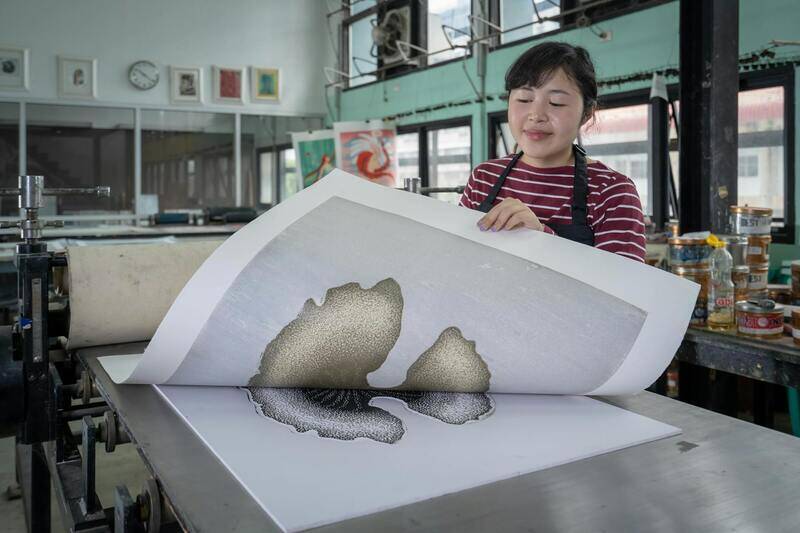
Utilizing advanced digital workflows not only offers convenience but also ensures that the quality and fidelity of large photo prints can be preserved regardless of physical proximity to a printing facility. This method is particularly advantageous for those with complex projects requiring precise color matching or specific material characteristics, ensuring a consistent and professional appearance in the final product.
Understanding Large Photo Prints
Creating large photo prints involves more than just enlarging a digital image; it requires meticulous attention to detail in order to preserve image integrity and vibrancy. High-resolution files with a minimum of 300 dpi are essential to ensure sharpness, clarity, and fine detail when scaled up to sizable formats. Digital images should be prepared with color calibration and proper editing to match the desired output, avoiding pixelation or blurriness that can diminish visual impact. Large photo prints serve as impactful visual elements in both residential and commercial spaces, emphasizing the importance of selecting the right image, resolution, and preparation techniques to achieve a professional result.
Factors Affecting Photo Print Quality
The quality of large photo prints hinges on multiple factors, including the choice of printing technology, resolution, and the condition of the digital file. Inkjet printers, especially those using archival inks and wide-format capabilities, produce vivid, durable images suitable for large-scale displays. Resolution plays a vital role; images that are not sufficiently detailed will appear pixelated or blurry when enlarged. Another critical factor is color accuracy, which depends on the use of proper color profiles and calibration of devices involved in production. Ensuring these elements are optimized prevents common issues associated with scaling photos to large formats, such as color mismatches, banding, and loss of detail.
Material and Finish Options
The selection of printing material significantly influences the durability and aesthetic appeal of large photo prints. Common choices include canvas, vinyl, polycarbonate, and fine art papers, each offering different finishes such as matte, gloss, or satin. Canvas is favored for its textured surface and classic appearance, suitable for artistic and gallery displays. Vinyl and polycarbonate are often chosen for outdoor or high-traffic environments due to their weather resistance and robustness. Fine art papers provide a luxurious and archival quality finish, ideal for images needing detailed detail and vibrant colors. The finish selection can enhance or soften the overall look, making it crucial to match the material and finish to the intended display environment.
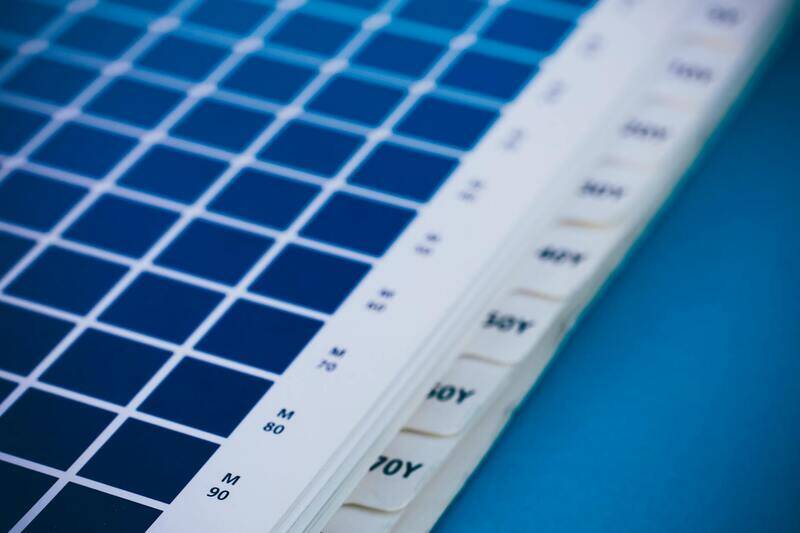
Color Accuracy and Image Preparation
Achieving true color representation in large photo prints requires precise color management throughout the workflow. It starts with capturing or sourcing images in a color space that supports a wide gamut, such as Adobe RGB or ProPhoto RGB. During editing, applying calibrated color profiles ensures the digital file accurately reflects the color input. Before printing, soft-proofing the image allows for adjustments based on the specific print material and printer, preventing unwanted color shifts. Additionally, enhancing contrast, sharpness, and vibrancy within the digital file ensures the printed output maintains visual appeal and consistency with the digital preview.
Choosing the Right Printing Services
Selecting a reputable printing service is crucial to guarantee high-quality large photo prints. Reliable providers possess advanced large-format printers, high-quality inks, and a thorough understanding of color management. When evaluating potential partners, consider their experience with large prints, customer reviews, and portfolio of completed projects. Confirm that they use calibrated devices and premium materials to meet professional standards. Clear communication regarding your expectations—such as color fidelity, material choice, and finishing details—ensures the final product aligns with your vision. Professional printing services also offer guidance on image preparation and customization options for framing and mounting.
Installation and Framing of Large Prints
Proper installation is essential to maximize the visual impact and longevity of large photo prints. Framing options vary from traditional frames to modern mounting solutions like float mounts or adhesive-backed prints. The choice depends on the display environment and aesthetic preferences. For structural integrity, large prints should be mounted on sturdy backing materials and secured professionally to prevent warping or damage. Installation tools such as wall anchors, leveling devices, and spacers help achieve a polished, aligned presentation. Well-chosen framing enhances the visual presentation, adds protection against environmental factors, and showcases the artwork prominently.
Cost Factors and Budgeting
The cost of large photo prints is influenced by several key elements, including print size, material choice, finish, and complexity of the printing process. Higher-quality materials and advanced printing techniques typically command premium prices but deliver superior durability and appearance. Budget considerations should account for additional expenses like framing, mounting, and shipping, especially for large-scale orders. Bulk printing discounts or package deals may be available, allowing for cost-effective solutions without compromising quality. Accurate budgeting involves consultations with trusted print providers who can recommend options that balance expense and desired outcome, ensuring an optimal final product within your financial plan.