Understanding Oversize Photo Prints
Oversize photo prints are large-format images designed to make a visual impact through their expansive dimensions. These prints typically extend beyond standard photo sizes, enabling them to serve as striking focal points in various settings. Common dimensions for oversize photos range from 24x36 inches to panoramic formats exceeding 60 inches in width. These substantial sizes are often utilized in both residential and commercial environments, where they can transform space and convey artistic or promotional messages effectively.
In residential spaces, oversize photo prints are popular as wall decor, enhancing living rooms, bedrooms, or feature walls with personal photographs or breathtaking landscapes. They create immersive experiences, especially when printed at sizes that allow viewers to engage with intricate details from a distance. Commercially, these large prints are employed for branding, advertising, or interior design projects within retail outlets, hotels, or corporate offices. Their ability to command attention makes them ideal for marketing displays or thematic background elements that contribute to brand identity and ambiance.
Materials and Printing Technologies for Oversize Photos
Producing high-quality oversize photo prints requires careful selection of materials and advanced printing technologies. Common substrate options include vinyl, canvas, metallic papers, and rigid materials like acrylic or foam board. Vinyl and canvas are preferred for their flexibility, durability, and ease of installation, making them suitable for large, wall-mounted displays. Rigid substrates such as acrylic offer a sleek, modern aesthetic with excellent color vibrancy and detail rendition.
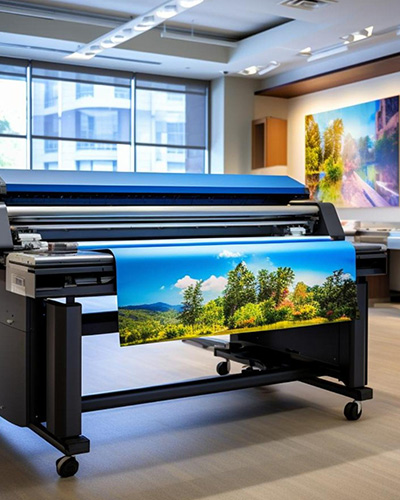
Printing technologies suitable for oversize photos include large-format inkjet printers that utilize UV, solvent, or eco-solvent inks. These modern printers are capable of handling wide media rolls with precision and high resolution, ensuring sharp detail and accurate color reproduction over extensive surfaces. UV printing is particularly advantageous for rigid materials, as it allows direct printing with durable, weather-resistant finishes, ideal for both indoor and outdoor applications.
Materials and Printing Technologies for Oversize Photos
To produce stunning oversize photo prints that meet professional standards, selecting the appropriate material and printing technology is essential. The choice depends on the intended application, environment, and desired aesthetic effect. High-quality material options include canvas, vinyl, fabric, metallic papers, and rigid substrates such as acrylic and foam board. Each material offers unique benefits that influence the final appearance and durability of the print.
Canvas and vinyl are among the most popular choices due to their flexibility, durability, and ease of installation. Canvas provides a textured, artistic finish that enhances photographic detail and adds a sophisticated look suitable for gallery displays or interior decor. Vinyl, on the other hand, is highly flexible and weather-resistant, making it ideal for both indoor and outdoor applications where longevity is a priority.
Rigid materials like acrylic and foam board are preferred for a sleek, modern presentation. Acrylic offers excellent clarity, vibrant color reproduction, and a glossy finish that accentuates fine details. Foam board provides a lightweight yet sturdy platform for large images, making mounting straightforward and cost-effective. These materials are often used in corporate settings, art exhibitions, or retail displays where a clean, professional appearance is desired.
Advanced printing technologies play a pivotal role in achieving high-resolution, color-accurate large-format images. Modern printers utilize UV, solvent, and eco-solvent inks capable of rendering sharp details and rich colors across extensive surface areas. For rigid materials like acrylic, UV printing is particularly advantageous because it allows for direct printing with excellent durability and weather resistance, suitable for both indoor and outdoor use.
Large-format inkjet printers equipped with wide media rolls ensure continuous production of oversized images without compromising quality. These printers operate at resolutions up to 1200 dpi, capturing minute details and subtle color gradations in the oversized photographs. The use of UV inks, which cure instantly on contact with the substrate, results in vibrant, scratch-resistant images that withstand environmental stressors over time.

The combination of suitable material selection and advanced printing technology ensures that oversize photo prints do not only serve their visual purpose but also maintain their integrity and aesthetic appeal over extended periods. Careful consideration during the production process results in a finished product that meets the highest standards of quality and visual impact.
Understanding Oversize Photo Prints
Oversize photo prints have become an essential element in various visual displays, ranging from art installations to large-scale advertising. They allow for a dramatic presentation of imagery, creating impactful experiences in both indoor and outdoor settings. The process of producing such large-format images requires careful attention to several key factors to ensure high fidelity, durability, and aesthetic appeal. Recognizing the importance of selecting appropriate materials, utilizing advanced printing technologies, and adhering to design best practices can significantly influence the success of your oversized photographic displays.
Materials Suitable for Oversize Photo Prints
The choice of material is a fundamental consideration when creating oversized photos. Each material offers unique characteristics that affect the visual quality, durability, and installation methods of the final product. Commonly used substrates include:
- Vinyl Banners: Flexible, lightweight, and weather-resistant, vinyl banners are ideal for both indoor and outdoor large-format displays. They are easy to install and replace, making them suitable for temporary or promotional purposes.
- Backlit Films: Designed for illuminated displays, backlit films enhance vibrancy and color depth when lit from behind, perfect for signage and retail visual campaigns.
- Acrylic Sheets: Rigid and glossy, acrylic provides a sleek, high-end finish. UV printing on acrylic ensures vivid colors and resistance to scratches and environmental damage, making it suitable for long-term indoor displays.
- Canvas Fabric: Provides a textured, artistic look reminiscent of traditional art canvases. Canvas is often mounted on frames or stretched for a refined aesthetic.
Advanced Printing Technologies
Achieving high-quality oversize photo prints involves employing cutting-edge printing technologies designed to reproduce fine details and color accuracy at large scales. Industrial-grade inkjet printers equipped with wide media rolls are the most prevalent tools, capable of handling media widths that accommodate even the most expansive images. These printers operate at resolutions up to 1200 dpi, capturing intricate details that significantly enhance visual richness.
Several types of inks are used in the production of large-format prints:
- UV Curing Inks: These inks are instantly cured upon contact with the substrate, producing images with incredible durability and scratch resistance. UV printing is especially advantageous when working with rigid materials like acrylic and certain metals.
- Solvent and Eco-Solvent Inks: Known for their vibrant color reproduction and weather resistance, these inks are suitable for outdoor applications and are compatible with vinyl and other flexible substrates.
Various printing techniques enable the creation of oversized images with precision and longevity. UV and solvent-based printers utilize wide-gamut color profiles, ensuring faithful color reproduction that aligns with digital files. This precision ensures that detailed photography, intricate graphics, or artwork remains sharp and vibrant across expansive surfaces.
Ensuring Visual Impact and Quality
The successful production of oversize photo prints hinges on a combination of suitable material selection and advanced printing methods. Proper calibration of printers, choice of inks, and quality control during the printing process all contribute to a final product that not only looks stunning but also withstands environmental conditions over time. When these elements are carefully managed, oversize photographs will retain their sharpness, color vibrancy, and structural integrity, delivering maximum visual impact to viewers.
Materials and Printing Technologies for Oversize Photos
To achieve high-quality oversize photo prints with exceptional clarity, durability, and color fidelity, selecting appropriate materials and employing advanced printing technologies is essential. The choice of substrate—whether vinyl, canvas, acrylic, or metal—significantly influences the final appearance and lifespan of the print. Each material offers unique advantages suited to specific environments and aesthetic preferences.
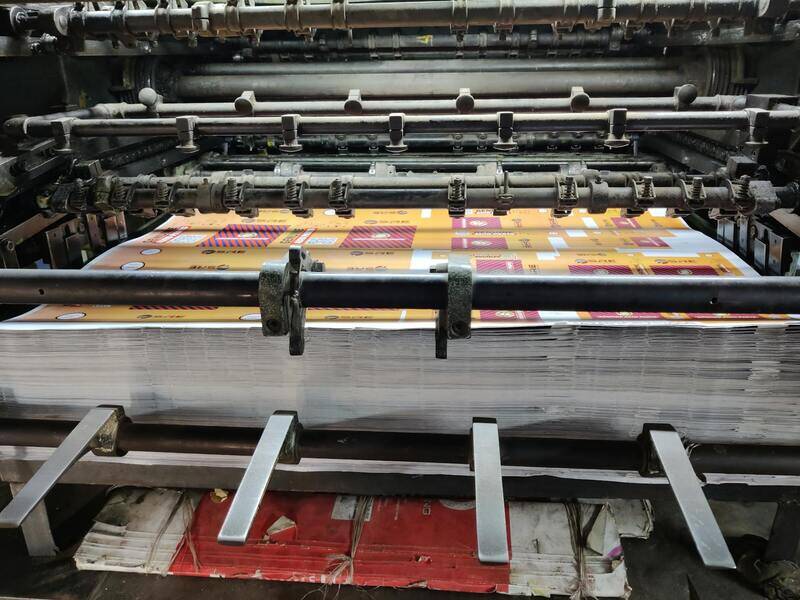
Modern large-format printing relies on a variety of cutting-edge techniques. UV printing, for instance, utilizes ultraviolet light to instantly cure inks, resulting in highly durable images capable of resisting scratches, UV fading, and environmental wear. This technology is ideal for rigid surfaces such as acrylic, metal, or glass, ensuring crisp image details and vibrant colors.
Solvent and eco-solvent printing processes employ specialized inks known for their excellent weather resistance and color richness. These are especially suitable for outdoor displays or environments where exposure to moisture and sunlight is unavoidable. Vinyl substrates are commonly used with solvent-based inks, providing flexibility and resilience.
Another important aspect is the resolution of the printing process. High-resolution large-format printers can produce detailed images with fine gradations and sharp detail, ensuring that even close-up views of large photographs maintain clarity. Combining the right materials with high-precision printing technologies guarantees that the oversized images remain impactful and visually striking over time.

Design Considerations for Oversize Photos
Creating an eye-catching oversize photo print involves careful attention to the design elements that impact visual appeal and overall effectiveness. When scaling up images to large formats, designers must consider the resolution to ensure that details remain crisp and clear. High-resolution images prevent pixelation and blurriness, which are critical for maintaining professionalism and visual impact. Another key aspect is the composition. Since larger prints often serve as focal points or statement pieces, their design should be balanced and visually engaging. Using principles such as the rule of thirds can help position important elements within the frame, avoiding overly cluttered or sparse areas. Color management also plays a significant role. Bright, vibrant colors tend to stand out more in oversize formats, but it is essential to calibrate color profiles correctly for consistency across different media. When designing large-scale prints, consider the viewing distance; elements intended for close-up viewing require fine detail, whereas those meant to be viewed from afar can focus on bold shapes and contrasting colors. Text elements, if incorporated, should be legible and appropriately scaled, avoiding overly intricate fonts that lose clarity when enlarged. Simplified yet striking typography typically enhances readability and complements the overall aesthetic. Finally, the choice of finishing effects such as matte or gloss coatings can influence how light interacts with the surface, affecting glare and visibility under ambient light. These considerations ensure that oversized photo prints not only captivate viewers but also sustain their visual integrity over time.

Choosing the Right Printing Service
Identifying a reputable printing provider is crucial for achieving high-quality oversize photo prints that meet specifications and expectations. Look for companies that utilize advanced large-format printing machines capable of handling the dimensions and resolution requirements for oversized formats. High-capacity printers equipped with UV, solvent, or eco-solvent technologies are preferred, as they offer vibrant color reproduction and durable finishes. Evaluating the range of materials offered by a printing service ensures compatibility with your project needs. Premium substrates such as acrylic, metal, canvas, or vinyl can significantly influence the final appearance and longevity of the print. Confirm that the provider offers customization options, including finishing treatments like lamination, framing, or mounting. Quality assurance is another vital criterion. Reputable services should provide sample proofs or digital previews, allowing clients to verify color accuracy and layout before production. They should also adhere to strict calibration standards to ensure consistent results across multiple prints. Customer support and turnaround times are practical considerations, especially for projects with tight deadlines. Transparent pricing policies, including clear quotations and explanations of any additional charges for mounting or special finishes, help in planning and budgeting. In essence, selecting a service with proven technical expertise, quality control, and a comprehensive range of materials and finishing options guarantees a final product that effectively displays your vision in impressive oversized formats.
Understanding Oversize Photo Prints
Oversize photo prints serve as striking visual statements, transforming large-scale images into captivating focal points in any space. These prints are often utilized in commercial displays, gallery exhibitions, event backdrops, and home decor where visibility and impact are paramount. Their impressive dimensions demand careful planning, including selecting appropriate materials, printing methods, and installation techniques to achieve optimal visual appeal and durability.
Key Aspects of Oversize Photo Prints
- Resolution Requirements: To maintain image clarity at large sizes, high-resolution files are essential. Typically, images should be at least 300 dpi at the final print size to prevent pixelation.
- Material Selection: The choice of substrate significantly influences the final appearance. Options range from fabric and canvas for a textured, artistic look, to acrylic and metal for a modern, sleek finish. Vinyl and wallpaper are suitable for large wall coverings or murals.
- Printing Techniques: Large-format inkjet printers utilize advanced technologies such as UV, solvent, or eco-solvent printing, each offering distinct benefits. UV printing provides vibrant colors and surface protection, while solvent inks excel in outdoor durability.
- Color Calibration: Accurate color reproduction hinges on professional calibration. It's advisable to review digital proofs or sample swatches before mass production to ensure the print matches your vision.
Maintaining the Quality of Oversize Prints
To preserve the quality and appearance of your oversized photo prints over time, proper maintenance is crucial. Regular cleaning with gentle, non-abrasive materials prevents dirt buildup and surface scratches. For prints mounted on acrylic or glass, use a soft cloth dampened with a mild solution to avoid streaks and damage. Additionally, controlling environmental factors such as excessive humidity, direct sunlight, or extreme temperature fluctuations helps prevent fading, warping, or deterioration.
Installation and Handling Considerations
Handling oversized prints requires specialized techniques to prevent damage during transportation and installation. Using professional mounting services ensures that the print is securely and evenly affixed, whether it's wall-mounted, suspended, or installed as a backdrop. Reinforced framing or mounting hardware may be necessary for larger formats to maintain stability. When installing, it is essential to work with precise measurements and appropriate tools to achieve a clean, professional appearance without stressing the material or structure.
Techniques for Proper Handling and Mounting
Handling oversize photo prints necessitates careful planning and execution to prevent damage during transportation and installation. Professionals utilize specialized tools and techniques to manage large-format images safely. When moving or positioning your oversized print, use padded dolly carts or slings to support the weight evenly, reducing stress on the material. Protective coverings, such as plastic wraps or soft cloths, can shield the print from dirt, moisture, and scratches during transit.
Once on-site, precise measurement and alignment become paramount. Employ laser levels or plumb lines to ensure accurate positioning. Mounting hardware, including heavy-duty anchors, cables, or specialized brackets, should be selected based on the wall type and weight of the print. Reinforced framing or mounting rails help distribute the load evenly, preventing warping or sagging over time. For suspended displays, sturdy cables or rods secured to ceiling anchors provide a clean, professional look while maintaining structural integrity.
Collaborating with Professional Installation Services
Retaining experienced installers guarantees the aesthetic appeal and longevity of your oversized photo display. Skilled technicians are adept at handling large formats, ensuring the print is mounted perfectly flat without creases or bubbles. Their expertise includes selecting appropriate adhesives, whether chemical-based or mechanical fasteners, tailored to the material of your print and mounting surface.
In addition to installation, these professionals can advise on environmental considerations, such as optimal placement to reduce exposure to direct sunlight or high humidity, which could degrade the print over time. Adequate support structures and framing methods offered by professional services not only enhance the visual impact but also provide the necessary stability for long-term display.
Post-Installation Care and Maintenance
Maintaining the visual integrity of oversized photo prints requires consistent care. Regular cleaning should be performed with soft, lint-free cloths, dampened with mild cleaning solutions when necessary. For prints covered with glass or acrylic, gentle wiping prevents streaks and surface scratches. Avoid the use of harsh chemicals or abrasive materials that can damage the surface or diminish the vibrancy of the image.
Environmental control plays a vital role in preserving your oversized photos. Positioning the prints away from direct sunlight minimizes fading, while maintaining stable humidity levels prevents warping or curling of the printed material. If the print is mounted on canvas or paper, employing UV-protective coatings can further extend its lifespan.
Understanding Oversize Photo Prints
Oversize photo prints offer an exceptional way to transform interior spaces, create impactful visual displays, and capture moments with remarkable clarity and scale. These large-format prints are typically produced on durable materials that support expansive dimensions without compromising image quality. The process begins with high-resolution digital images, which are meticulously prepared to ensure they retain their vibrancy and sharpness when scaled up. Selecting images with detailed elements and high pixel density is essential, as this prevents pixelation or blurriness in the final product. Oversize photo printing not only elevates aesthetic appeal but also serves strategic roles in branding, event decor, and artistic expression.

Materials and Printing Technologies for Oversize Photos
Significant advancements in printing technologies have made it possible to produce large photo prints with unmatched quality and durability. The choice of materials varies depending on the intended application, environment, and display location. Common substrates include vinyl, canvas, backlit fabrics, and specialty photo papers designed for wide-format printing. Each material has specific characteristics; for example, vinyl offers excellent weather resistance, making it suitable for outdoor displays, while canvas provides a textured, artistic feel suitable for interior decor.
Printing technologies such as UV printing, latex, and solvent-based inkjet printing are preferred for oversize photos. These methods ensure vibrant color reproduction, weather resistance, and longevity. UV printing, in particular, allows for direct printing onto rigid surfaces, reducing the need for additional mounting steps and enabling vibrant, detailed images with superior fade resistance. Latex printing provides flexible, stretch-resistant outputs ideal for curved or irregular surfaces. The selection of the appropriate technology aligns with the project’s specific requirements, ensuring a high-quality, durable finish for large-format images.
Design Considerations for Oversize Photos
Designing for oversize photo prints requires careful consideration of composition, resolution, and aspect ratio. The larger the print, the more detailed the original image must be to maintain clarity. Ensuring that the image resolution matches or exceeds the pixel count needed for the print size is crucial to prevent pixelation. When planning a large-format print, it’s essential to consider viewing distance; images intended for distant viewing can feature finer details that allow for a lower resolution, while those meant for close-up inspection should prioritize maximum pixel density.
Layout and framing also impact the visual impact. Designers often employ cropping, scaling, and layout adjustments to emphasize key elements. Color calibration is vital to match colors accurately, especially for branding applications or art reproductions. Additionally, integrating visual guides during the design process can help determine optimal placement of important elements, avoiding distortion or artifacts that might occur during enlargement.
Choosing the Right Printing Service
Opting for a reputable printing service specializing in large-format and oversize photo prints is paramount to achieving desired results. Experienced providers possess the necessary equipment, technical knowledge, and quality control measures to produce consistent, high-resolution outputs. When selecting a service, consider their portfolio to verify their expertise with large-scale projects, and review client feedback to assess their reliability and craftsmanship.
Quality assurance also involves understanding their material options, printing technologies, and post-printing finishing services. Services that offer consultation can help refine design and material choices based on specific needs, whether for indoor gallery displays, outdoor signage, or commercial branding. Proper handling, professional mounting, and finishing are crucial steps that ensure the longevity and visual appeal of the final product. Working with professionals minimizes common issues such as misalignment, color inconsistency, or surface damage.
Cost Factors for Oversize Photo Prints
The cost of oversize photo prints depends on various factors, including size, material selection, printing technology, complexity of the design, and finishing requirements. Larger prints naturally incur higher expenses due to increased material usage and longer production times. Premium materials like canvas or weather-resistant vinyl will elevate costs compared to standard paper substrates.
Additional costs may include lamination, mounting, framing, or installation services, which are vital for ensuring the finished piece is securely displayed and protected. Complex or intricate designs requiring meticulous color calibration or retouching may also add to the overall expense. It's advisable to request detailed quotes from multiple providers, considering not only initial costs but also durability and longevity to secure the best value for the investment.
Installation and Mounting of Oversize Photos
Proper installation is critical for the stability and visual integrity of oversize photo prints. Professional installation services employ specialized tools and techniques to handle large and heavy materials safely and accurately. The choice of mounting method—be it adhesive, mechanical fasteners, or framing—depends on the environment and material of the print.
Adhesive mounting, often used for lightweight materials, requires precision to avoid air bubbles or misalignment. Mechanical fasteners or frame mounting are suitable for heavier or more rigid substrates, providing added support and ease of replacement or adjustment. For outdoor or high-traffic areas, weatherproof fixtures and anti-theft hardware may be incorporated. Environmental factors such as exposure to sunlight, humidity, or temperature fluctuations influence the mounting approach, with professional advice ensuring the print remains intact and vibrant over time.
Maintenance and Longevity of Oversize Prints
To preserve the visual quality and structural integrity of oversize photo prints, consistent maintenance is essential. Regular dusting with soft brushes or lint-free cloths prevents dirt accumulation. For prints covered with glass or acrylic layers, gentle cleaning with damp, non-abrasive cloths and mild cleaning solutions minimizes surface scratches and streaks. Avoid harsh chemicals or abrasive materials that could compromise the surface treatment or strip away vibrant colors.
Environmental management plays a vital role; positioning prints out of direct sunlight prevents fading, while controlling temperature and humidity reduces the risk of warping or curling. UV-protective coatings can offer additional safeguards against fading for prints displayed in naturally lit areas. Handling with care during cleaning and maintenance prevents accidental damage, ensuring the oversized print remains a captivating centerpiece for years to come.