Understanding Large Format Photography Printing
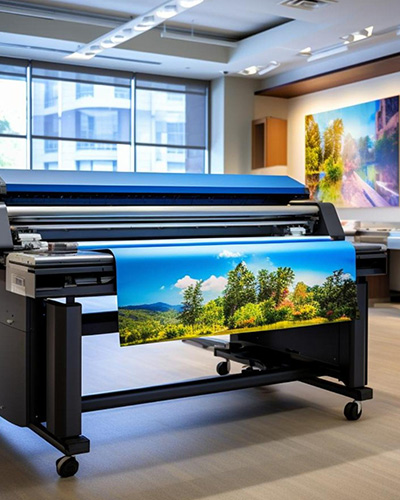
Large format photography printing represents a specialized segment within the broader realm of digital printing, focusing on producing high-resolution images at significantly enlarged scales. This form of printing is indispensable in various professional settings, ranging from fine art and gallery displays to commercial advertising, architectural visualizations, and interior design projects. The primary objective of large format printing is to accurately reproduce photographic details and colors on sizable substrates, ensuring that the visual impact matches and even enhances the original image quality.
One of the defining features of large format photography printing is its ability to produce visuals that are both vivid and highly detailed, even when viewed at close range. This quality stems from the use of advanced printing technologies capable of handling resolutions that surpass standard printing methods, allowing for images that remain sharp and clear despite the scale. This aspect is crucial in environments where every detail matters—such as exhibition spaces, billboards, or corporate displays—enabling the viewer to appreciate every nuance in the photograph.

Beyond size, the unique characteristics that distinguish large format photography printing include meticulous color fidelity, depth, and contrast. The process requires precise calibration of colors across the entire print to ensure the output aligns with the original vision of the photographer or designer. Achieving this level of accuracy involves sophisticated color management protocols, high-performance printing equipment, and premium materials.
Typical applications of large format prints include wall murals, banners, trade show displays, fine art reproductions, and architectural renderings. Each application demands specific considerations, such as material durability, weather resistance, or gloss finish, depending on whether the print is intended for indoor or outdoor use. As a result, selection of printing methods and materials plays a fundamental role in fulfilling the project’s specific requirements.
Moreover, the large scale of these prints introduces unique technical challenges, including the need for high-resolution imaging. It is essential to work with digital files that possess sufficient pixel dimensions to prevent pixelation and ensure the final product meets quality standards. This underscores the importance of professional large format printing services that employ state-of-the-art technology and expert knowledge to deliver exceptional results for their clients.
In summary, mastering large format photography printing involves an understanding of the technical intricacies, tailored material selection, and a commitment to quality control. When executed properly, it offers a powerful means to communicate visual narratives at impressive scales, making it an invaluable tool across diverse visual arts and commercial domains.
Understanding Large Format Photography Printing
Large format photography printing encompasses a diverse array of practical and artistic applications. To ensure the final product fulfills both aesthetic and functional needs, it is vital to grasp the intricacies of the process, including the selection of appropriate materials, printing technology, and post-processing techniques. This understanding forms the foundation for producing visuals that are stunning, durable, and fit for their intended environment.
The process begins with high-resolution digital files that require meticulous preparation. These images must have sufficient pixel dimensions to support large-scale printing without compromising clarity. This involves careful image editing, color correction, and sharpening to optimize their appearance at scale. Having professionally prepared files minimizes the risk of pixelation and ensures that every detail remains crisp, even when enlarged.
Choosing the right materials is equally crucial, as the substrate influences not just the appearance but also the longevity and resilience of the print. Common substrates include vinyl, canvas, acrylic, and aluminum sheets, each tailored for specific indoor or outdoor settings. For instance, vinyl offers weather resistance suitable for outdoor banners, while canvas provides a textured finish ideal for fine art reproductions. The selection process hinges on understanding the environment where the print will be displayed and the desired durability.
A critical aspect of large format printing lies in maintaining consistent color fidelity. Advanced color management protocols utilize calibrated monitors, color profiles, and proofing techniques to ensure that printed colors match digital design intentions precisely. This process involves calibrating devices and using color calibration tools, which guarantees that the final output meets the client's expectations and artistic standards.
Furthermore, finishing techniques, mounting options, and framing play pivotal roles in enhancing the visual impact and lifespan of large format prints. For example, lamination can add a protective layer against scratches and UV rays, while custom mounting solutions facilitate easy installation and a polished presentation.
Cost structures are influenced by factors such as print size, material choice, print technology, and finishing processes. Additionally, turnaround times depend on the complexity of the job and the service provider’s workload. Understanding these variables helps clients plan their projects effectively, balancing budget considerations with quality expectations.
Finally, selecting a capable printing service provider involves assessing their technological capabilities, industry experience, and reputation for quality. Ensuring they employ state-of-the-art equipment, adhere to strict quality control measures, and offer comprehensive support guarantees a seamless production process and ultimately, a product that meets your high standards.
Understanding Large Format Photography Printing
Large format photography printing demands a meticulous approach to ensure that each print reflects the original artwork or photograph with precision and vibrancy. This process begins with the selection of appropriate materials and advanced printing technologies, tailored to meet specific artistic, commercial, or exhibition needs. The primary goal is to produce a high-quality print that captures every detail, color nuance, and texture envisioned by the creator, making the choice of printing method and materials crucial.
High-Precision Printing Technologies
Modern large format printing leverages various state-of-the-art technologies designed for exceptional output quality. Among the most prominent are inkjet printers with piezoelectric or thermal print heads. These printers utilize fine droplets of ink to produce sharp images with smooth gradations, ensuring that even subtle color transitions are faithfully rendered. Latex printing is another innovative method, offering vibrant colors alongside eco-friendly benefits and enhanced durability, making it especially suitable for both interior displays and outdoor applications.
Additionally, UV-curable printers provide rapid drying and superior adhesion on a wide range of substrates, making them ideal for unique applications requiring rigid or specialty materials. Each of these technologies is calibrated meticulously to maintain color fidelity across large surfaces, ensuring that prints are consistent and true to the digital design specifications.
Choosing the Right Materials and Substrates
The choice of materials plays a pivotal role in achieving the desired outcome for large format prints. Photographers and clients often select between various high-grade papers, fabrics, vinyl, or acrylics depending on their project requirements and environment of display. For instance, glossy or satin photo papers enhance color vibrancy and detail sharpness, while matte surfaces minimize reflections, making them ideal for gallery or exhibition settings.
- Photo Papers: Premium coated papers designed for vivid color reproduction and sharp details.
- Vinyl: Durable and weather-resistant, suitable for outdoor signage and banners.
- Fabric: Textured surfaces providing elegant displays for fine art or photographic exhibitions.
- Acrylic and Glass: Rigid substrates enhancing depth and clarity for impactful displays.
Considering factors such as exposure to sunlight, humidity, and handling, selecting the appropriate material ensures longevity and maintains the visual integrity of the print over time. For example, coated vinyl surfaces with UV-resistant finishes prolong outdoor usage, preventing fading and deterioration.
Color Management and Image Optimization
To achieve consistent and vibrant results, effective color management protocols are indispensable. This involves calibrating monitors to match printer profiles, utilizing industry-standard color spaces, and creating accurate proofing workflows. By employing embedded color profiles and soft-proofing techniques, designers can simulate how the final print will appear, facilitating necessary adjustments before the final run.
Image resolution is equally critical; high-resolution files (typically 300 DPI or higher) ensure sharpness across large surfaces without pixelation. Careful sharpening, noise reduction, and color correction tailored to the intended viewing distance contribute to an aesthetically pleasing outcome.
Print Size, Resolution, and Quality Considerations
Determining the appropriate print size involves balancing dimensions, viewing distance, and resolution. For expansive murals or banners, a lower DPI (around 150-200) may suffice because viewers typically observe the piece from afar. Conversely, detailed art prints or photographic displays require higher resolutions to maintain clarity and detail. The alignment of digital file resolution with the physical dimensions ensures that the final output remains crisp and free from pixelation.
Finishing Techniques and Mounting Options
After printing, various finishing techniques enhance durability and visual appeal. Laminations protect against scratches, UV fading, and environmental contaminants, extending the lifespan of the print. Mounting options range from simple frame installations to more elaborate solutions such as floating mounts, acrylic mounts, or seamless wall panels, each providing a distinct aesthetic and level of stability.
Cost Considerations and Turnaround Time
Overall costs are influenced primarily by print size, material choice, complexity of the image, and finishing treatments. Larger prints on premium substrates naturally incur higher expenses but offer superior visual impact and longevity. Turnaround times depend on the scope of the project, with simpler prints achievable within a few days and complex installations possibly requiring several weeks due to additional preparation and finishing processes.
Understanding Large Format Photography Printing
Large format photography printing involves transforming high-resolution digital images into expansive visual displays that captivate viewers and serve various practical and aesthetic purposes. This process requires specialized equipment, materials, and techniques to ensure each print maintains its clarity, color accuracy, and durability at considerable sizes. Given its application in advertising, art exhibitions, interior decor, and branding, selecting an appropriate printing method is crucial for achieving the desired impact and longevity of the final piece.

Effective large format photography printing begins with careful planning, including understanding the nuances of resolution, material compatibility, and finishing options. This ensures the finished product not only meets visual expectations but also withstands environmental factors such as sunlight, moisture, and handling wear. Because larger prints often become focal points, the precision of the entire process—from digital file preparation to the final mounting—is integral to achieving professional results.
Types of Printing Technologies Used
Several advanced printing technologies dominate the landscape of large format photography printing, each with its specific strengths suited to different project requirements:
- Inkjet Printing: The most prevalent choice for high-resolution, color-rich photographic prints. Using pigment-based inks, this technology ensures long-lasting images with excellent color fidelity. It supports various substrates, including fine art papers, vinyl, fabric, and canvas.
- Solvent and Eco-Solvent Printing: Ideal for outdoor applications like banners, billboards, and environmental signage due to its exceptional weather resistance. These inks penetrate the substrate, providing durability while delivering vibrant colors.
- UV Printing: Employs ultraviolet light to cure inks instantly on non-porous surfaces such as acrylic, glass, or metal. This method offers a modern, glossy finish with exceptional precision and scratch resistance, making it suitable for both artistic displays and commercial signage.
- Dye Sublimation: Best suited for printing on fabric materials, especially for textile art, banners, and soft signage. It provides high-resolution images with vibrant colors and excellent wash durability when applied to compatible substrates.

Selecting the Right Materials and Substrates
The choice of materials significantly influences the visual effect, lifespan, and installation method of large format prints. Common substrates used include:
- Vinyl: Versatile and durable, suitable for outdoor banners, vehicle wraps, and large signage. Available in matte, gloss, or satin finishes, vinyl provides resistance against environmental damage.
- Canvas: Preferred for artistic reproductions and gallery-quality displays, offering a textured look that mimics traditional paintings. Canvas prints often undergo protective coatings for longevity.
- Foam Board and Mount Board: Lightweight options used for interior displays, art exhibitions, and presentation materials. These are usually mounted behind acrylic or glass for a polished look.
- Acrylic and Metals: Used for modern, sleek displays with high visual impact. Prints on acrylic or metal provide sharp clarity, color vibrancy, and added durability for outdoor or high-traffic environments.
- Textile and Fabric: Used in dye sublimation processes for soft signage and decorative art, allowing for vibrant images with a textile feel.
Matching the right substrate with the intended display environment and installation method ensures the longevity of the print and preservation of image quality. When selecting materials, consider factors such as outdoor exposure, required texture, installation surface, and budget constraints.
Color Management and Image Optimization
Achieving vibrant, consistent colors across large format prints necessitates meticulous color management and image optimization processes. Professional large format photography printing involves precise color calibration of devices to ensure that digital images accurately translate to physical outputs. This process typically includes the use of calibrated monitors and high-quality color profiles, which help maintain color fidelity from the digital file to the final print.
Image optimization also plays a pivotal role in enhancing print quality. High-resolution images are crucial; a recommended resolution for large format prints is at least 150-300 DPI at the final print size. This ensures that details are crisp and prevents pixelation. Image files should be carefully edited to optimize contrast, brightness, and color balance, aligning with the desired visual effect.
Utilizing professional raster image processing (RIP) software facilitates advanced color correction and helps control how inks are applied during printing. These programs enable the fine-tuning of color profiles specific to the chosen substrate, ensuring consistency and accuracy. Additionally, soft proofing techniques simulate the final print appearance on a calibrated monitor, allowing adjustments before production, which minimizes costly errors.
Another key aspect is understanding the printing process's limitations and opportunities. For instance, some substrates may not support certain color gamuts, so selecting appropriate color profiles tailored to each material type is essential. Proper ink usage and understanding drying times further contribute to achieving consistent results.
Overall, investing in rigorous color management protocols and image optimization techniques leads to high-quality, visually stunning large format prints that accurately reflect the original artwork or photograph, thereby enhancing the overall impact and longevity of the display.
Finishing Techniques and Mounting Options
After the printing process, attention shifts to finishing techniques that elevate the presentation and durability of large format photographs. Lamination is a crucial step, providing a protective layer that guards against environmental damage, scratches, and fading. There are different lamination finishes, such as gloss, semi-gloss, and matte, each offering distinct visual effects and tactile qualities, allowing clients to tailor the final appearance according to their aesthetic preferences and functional needs.
Framing is another vital component in the presentation of large format prints. Custom frames not only enhance the visual appeal but also provide additional support and protection. Options range from traditional wooden frames to modern aluminum profiles, with various finishing choices like matte or high-gloss to complement the artwork. Additionally, UV-protective glass or acrylic can be integrated into framing solutions to further safeguard images from harmful light exposure, prolonging their vibrant colors and details.
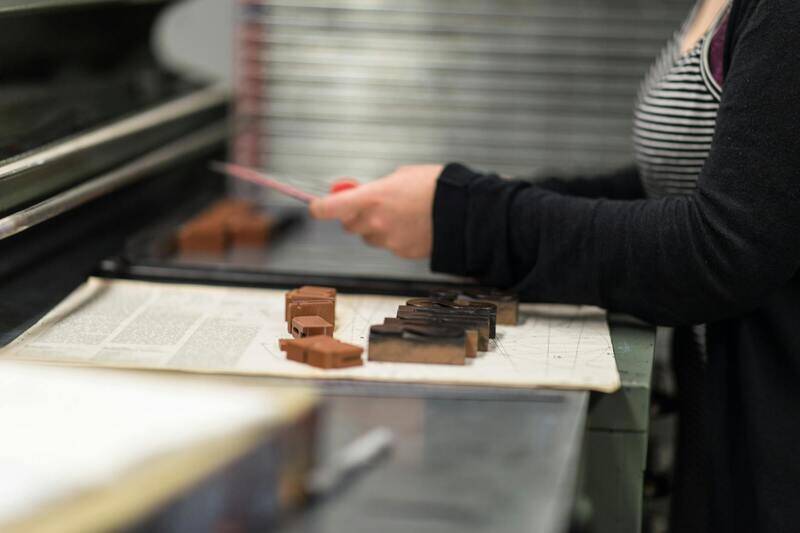
Mounting methods are equally important for ensuring that large format images are presented securely and aesthetically. Common mounting options include:
- Direct Mounting: Attaching the print directly onto rigid backing materials such as foam board, acrylic, or Dibond, creating a sleek, frameless appearance suitable for modern displays.
- Floating Mounts: Using clear spacers or standoffs to give the impression that the print is floating within the environment, adding depth and a contemporary feel.
- Canvas Wraps: Stretching the print over a wooden frame for a gallery-like presentation that combines the texture of canvas with the vibrancy of large format images.
Each mounting option offers distinct benefits in terms of aesthetics, durability, and installation, allowing clients to select the best fit for their display environment and purpose. Proper finishing and mounting techniques significantly contribute to the overall impact, ensuring that large format prints are both visually striking and resilient over time.
Understanding Large Format Photography Printing
Large format photography printing involves translating high-resolution digital images into sizeable, visually impactful physical displays. These prints often serve as focal points within commercial, artistic, or private spaces, demanding meticulous attention to detail and quality at every stage of production. Achieving optimal results requires an understanding of the entire printing process, from image preparation to final finishing, ensuring that the artwork's integrity, color accuracy, and clarity are preserved and amplified on a grand scale.
One of the fundamental considerations in large format printing is maintaining the image resolution suitable for enlarged display. Unlike smaller prints, where minor pixelation might go unnoticed, large format images must be prepared with precision to avoid loss of detail and sharpness. Proper image resolution, typically measured in pixels per inch (PPI), is critical to ensure the final print appears crisp and defined at the intended viewing distance. This process includes inspecting the image for any imperfections, adjusting the color profile, and ensuring that the digital file adheres to the optimal specifications for print size.
Moreover, color fidelity is vital in large format photography printing. Variations between digital displays and physical prints can detract from the visual impact if not managed correctly. Implementing color calibration tools for screens and using color profiles tailored for different substrates helps maintain consistent hues and tones. Color gamut coverage is also a key factor; high-quality printers typically support a broad range of colors, allowing for rich, vibrant images that accurately reflect the photographer’s original vision.
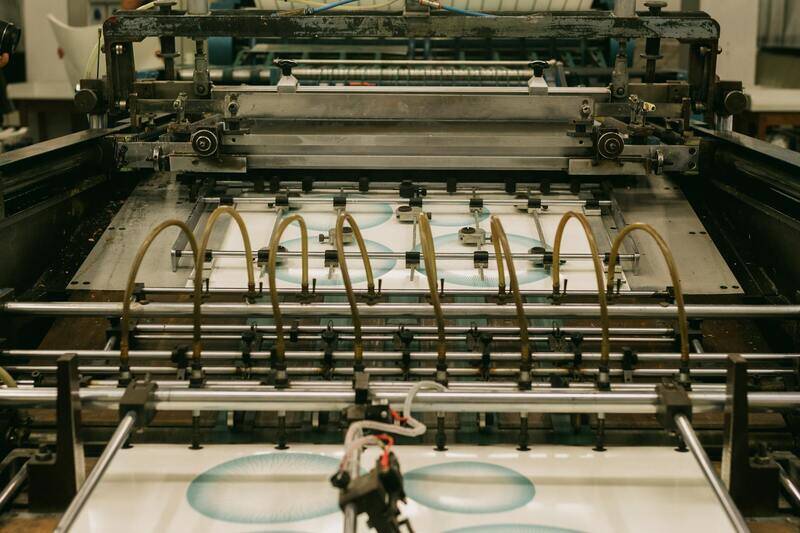
Understanding the nuances of large format photography printing allows artists and clients to better communicate expectations and achieve stunning, durable displays. From image resolution and color management to substrate selection and finishing, each element plays a crucial role in producing exceptional large-scale images that captivate viewers and stand the test of time.
Types of Printing Technologies Used
For large format photography, several advanced printing technologies are employed to ensure high fidelity, durability, and color accuracy. The most common methods include:
- Solvent and Eco-Solvent Printing: Known for their durability and vibrant color output, solvent printers use solvent-based inks that adhere well to various substrates, including vinyl and canvas. Eco-solvent variants offer environmentally friendlier options without sacrificing quality.
- UV Printing: Utilizing ultraviolet light to instantly cure inks, UV printing provides excellent adhesion to non-porous surfaces like acrylic, glass, and metal. It supports versatile substrate choices and produces highly scratch-resistant images.
- Latex Printing: A water-based ink technology that combines durability with eco-friendliness, latex printing supports vibrant color reproduction on a wide range of materials, including fabric, vinyl, and paper.
- Piezoelectric Inkjet Printing: Widely used for fine art and photographic images, this technology offers ultra-fine ink droplets that produce precise detail and smooth color gradations essential for large format photographic prints.
Each technology offers unique advantages regarding color vibrancy, substrate compatibility, and environmental impact. Selecting the appropriate method depends on the specific project requirements, including the intended display environment, longevity expectations, and budget considerations.
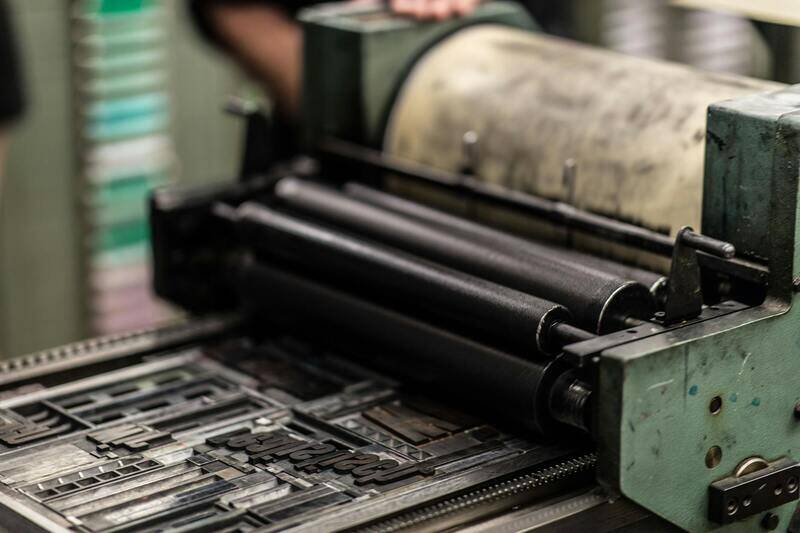
Understanding these distinct printing options empowers clients and artists to choose suitable solutions aligned with their goals, ensuring that the finished product not only meets visual expectations but also withstands the demands of display and handling over time.
Understanding Large Format Photography Printing (Part 8)
When selecting a printing method for large format photographic images, it is essential to understand the different official and proven techniques available to ensure the highest quality and durability. These methods are rooted in meticulous craftsmanship and advanced technology, providing artists, photographers, and institutions with reliable options that meet professional standards.
Numerous technology options exist, each with its distinct advantages, suited to different application needs and environmental considerations. To make an informed decision, it's critical to examine each technique’s core principles, substrate compatibility, and output characteristics.
UV Printing
UV (ultraviolet) printing employs ultraviolet light to instantly cure inks upon contact with the substrate. This process results in vibrant, sharply detailed images with excellent adhesion on a variety of non-porous surfaces such as acrylic, metal, and glass. UV printing is particularly valued for its ability to produce highly scratch-resistant finishes and its compatibility with unconventional materials, making it ideal for installations requiring longevity and visual impact. High precision in ink placement ensures fine details and consistent color reproduction, essential for photographic displays.
Eco-Solvent and Solvent Printing
Eco-solvent printing utilizes environmentally friendly solvent-based inks that are designed to bond strongly with outdoor and indoor substrates, including vinyl, wallpaper, and canvas. These prints boast superb durability, weather resistance, and vibrant color delivery. They are suitable for both temporary and permanent displays, especially in environments exposed to sunlight and moisture. The eco-solvent formulation minimizes environmental impact, aligning with sustainable practices while maintaining superior image quality.
Latex Printing
Latex printing employs water-based inks infused with polymer particles that are heated to form a flexible, durable layer on the substrate. Known for its versatility, latex printing supports a broad spectrum of materials such as fabric, vinyl, and paper. It offers excellent color vibrancy, quick drying times, and eco-friendly credentials. The flexibility of latex prints makes them well-suited for applications requiring stretching or bending materials, such as banners or fabric backdrops.
Piezoelectric Inkjet Printing
This technique involves the use of piezoelectric crystals to propel tiny ink droplets with exceptional precision. Ideal for high-resolution photographic reproductions, piezoelectric inkjet printing provides ultra-fine detail, smooth color gradations, and accurate tonal ranges. Its capability to handle a wide array of inks, including pigment-based options, ensures long-lasting, fade-resistant images—making it a preferred choice for fine art and museum-grade photographic prints.