Understanding Visiting Card Printing Prices
Printing visiting cards is an essential aspect of professional branding and networking. Whether you are an entrepreneur, a corporate executive, or a small business owner, the cost of producing high-quality visiting cards can significantly impact your overall marketing budget. In Singapore, the pricing for visiting card printing varies widely based on several critical factors, including the choice of printing techniques, paper quality, design complexity, and order quantity. Recognizing these elements enables businesses and individuals to make informed decisions that balance quality with affordability.
Typically, the cost associated with visiting card printing encompasses not just the paper and ink but also the craftsmanship involved in printing and finishing processes. While some providers offer straightforward pricing models, others might include additional charges based on specific customization requirements. To navigate these options efficiently, it is crucial to understand the standard price ranges and the main contributors that influence these costs.

Price Range for Visiting Card Printing
In Singapore, the cost per card can vary from as low as a few cents for bulk orders of basic designs to several dollars for premium-quality cards with elaborate customization. Typically, for standard design, materials, and bulk printing, you might expect to pay between SGD 50 to SGD 200 for 500 cards. Smaller orders or those requiring special finishes usually fall into the higher price bracket.» It is essential to request detailed quotations from multiple printing services to compare prices accurately.
For individualized or themed designs, the per-unit cost may increase due to additional technical requirements. Premium finishes such as embossing, foil stamping, or laser-cut edges tend to add to the overall cost. Regardless of your budget, understanding these price points helps in selecting a provider that offers the desired quality within your financial parameters.
Factors Affecting Visiting Card Printing Costs
- Paper Quality and Thickness: Higher-grade, thicker paper options cost more but result in a sturdier, more luxurious feel.
- Printing Technique: Digital printing is generally more affordable for small batches, while offset printing suits large-volume requirements for cost efficiency.
- Design Complexity: Intricate designs that require additional setup or special inks can increase production costs.
- Finishing and Special Effects: Features such as matte or glossy finishes, spot UV coating, embossing, or foil stamping significantly influence pricing.
- Order Quantity: Generally, the larger the order, the lower the cost per card, due to economies of scale.
Common Printing Techniques and Their Costs
Understanding the various printing techniques available can help determine the most suitable options for your needs and budget. The most prevalent methods include digital printing, offset printing, letterpress, and screen printing, each with its associated costs and benefits.
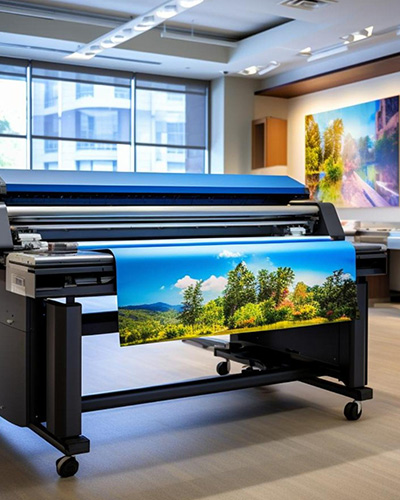
- Digital Printing: Ideal for small to medium quantities, digital printing offers quick turnaround times and cost-effective solutions. Cost per card can be low, especially with standard designs.
- Offset Printing: Suitable for large orders, offset printing provides high-quality outcomes but requires higher setup costs, making it less economical for small quantities.
- Letterpress Printing: Known for its tactile impression and elegance, letterpress is more costly due to the meticulous craftsmanship involved.
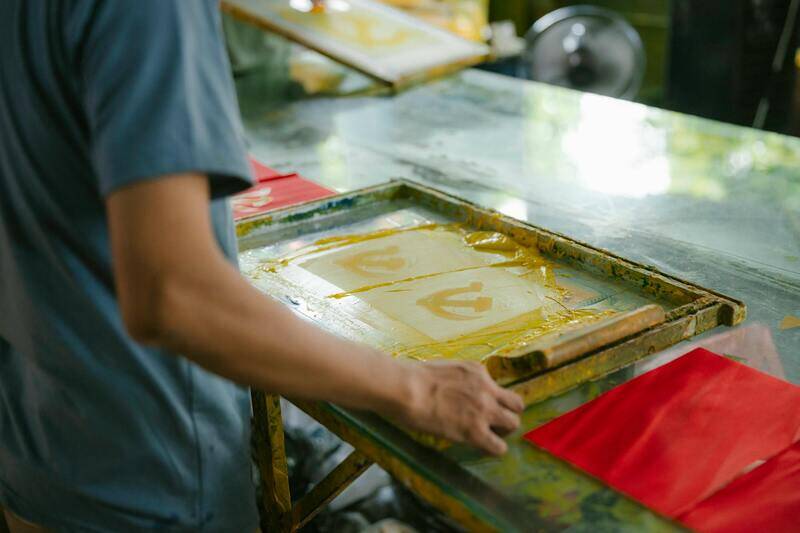
- Screen Printing: Often used for specialized finishes or textured effects, screen printing involves additional setup and labor, influencing pricing accordingly.
Matching your desired quality and quantity with the appropriate printing method is crucial to optimizing costs and achieving a professional appearance.
Understanding the Factors Influencing Visiting Card Printing Costs
When estimating the price of visiting card printing, several key factors come into play that can significantly affect the overall expense. Comprehending these elements enables businesses and individuals to budget effectively and choose the most suitable options for their branding needs.
- Material Quality: The choice of paper or card stock is pivotal. High-quality, thick, or textured papers tend to be more expensive but offer a superior tactile experience and durability. Eco-friendly or specialized materials, such as recycled paper or matte finishes, also contribute to higher costs.
- Design Complexity and Customization: Custom designs with intricate graphics, foil accents, embossing, or peculiar sizing require extra attention to detail, often involving additional setup, tooling, and craftsmanship. These sophisticated design features elevate the cost compared to standard templates.
- Color Printing and Printing Method: Full-color (CMYK) printing generates vibrant visuals, but it can be more costly than single-color options. Advanced methods like letterpress or offset printing typically incur higher setup and production costs, especially for large quantities.
- Quantity of Order: The volume of cards ordered influences pricing due to economies of scale. Smaller runs tend to have a higher cost per card because of setup fees, while larger orders benefit from bulk discounts, reducing the unit price.
- Finish and Special Effects: Finishing touches such as matte, gloss, or satin coatings enhance visual appeal and durability. Additional effects like spot UV, foil stamping, embossing, or die-cut shapes add aesthetic value but also increase overall costs.
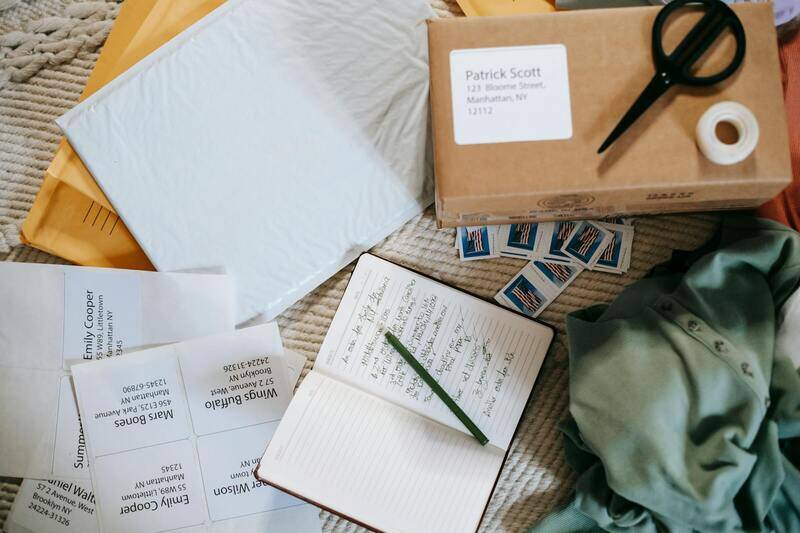
Moreover, turnaround time plays a role, with expedited services generally costing more than standard production durations. It’s essential to quantify your priorities—whether budget, quality, or speed—and communicate these to the printing provider for accurate quotations.
Cost Variations Based on Different Printing Techniques
Each printing method offers unique advantages and cost considerations. Digital printing, ideal for small-scale orders, provides a quick and economical option, especially suitable for designs that change frequently or require rapid turnaround. Offset printing, which excels in producing large quantities of high-quality cards, involves upfront setup costs but offers lower per-unit prices at scale. Letterpress and foil stamping, while delivering exceptional tactile and visual effects, are reserved for premium branding and incur higher expenses due to the craftsmanship involved. Understanding the nuances of each method helps in aligning your design objectives with your budget constraints.

By analyzing these factors within your budget plan, you ensure a cost-effective approach without compromising on the professional appearance of your visiting cards. It's recommended to request detailed quotations from trusted printing providers, listing all desired features and specifications, to enable a clear comparison of final costs across different options.
Factors Affecting Visiting Card Printing Costs
When determining the cost of visiting card printing, several key elements significantly influence the final price. The choice of paper stock directly impacts production costs—premium materials such as thicker or textured papers will incur higher expenses compared to standard options. Additionally, the intricacy of your design plays a role; complex graphics, detailed logos, and custom artwork require more time and resources, thereby increasing costs. Color options also factor in, with full-color printing typically costing more than black-and-white due to the use of additional ink layers and equipment. Furthermore, the size of the cards can vary, with standard dimensions being more economical, while custom shapes and sizes often entail additional setup and cutting charges. Finishing touches, including matte or gloss coating, embossing, or lamination, enhance the tactile and visual appeal of your cards but can add to the overall expense. The complexity and number of custom finishes are essential considerations when budgeting.
- Paper quality and thickness
- Design complexity and detail
- Color printing versus monochrome
- Card size and shape
- Finish and coating options

Common Printing Techniques and Their Costs
Selecting an appropriate printing technique is crucial for balancing quality and budget. Digital printing is often the most economical choice for small to medium orders. It provides rapid turnaround and allows for quick adjustments to design elements without extensive setup costs. Offset printing, on the other hand, becomes more cost-effective when printing in large quantities. It involves higher initial setup but offers lower per-unit costs, making it suitable for bulk orders. For those seeking a luxurious appearance, techniques like letterpress, foil stamping, and embossing are preferred. These methods involve more craftsmanship and time, naturally leading to higher prices. They create a tactile experience and visual impact that can elevate the perceived value of your brand. While premium, these options are generally reserved for special or high-profile branding needs.
- Digital printing: Cost-effective for small runs, quick turnaround
- Offset printing: Ideal for large-scale production, lower per-card cost
- Letterpress, foil stamping, embossing: Premium finishes with higher costs
Understanding Visiting Card Printing Prices
Accurately determining the cost of printing visiting cards involves multiple considerations beyond just the initial quotation. Businesses and individuals must weigh the size, design complexity, and finish options to establish a realistic budget. It’s essential to recognize that printing prices are influenced heavily by the chosen materials and techniques, which can vary significantly based on the desired quality and quantity. When evaluating potential printing services, always request detailed quotes that itemize costs associated with various features and options. This approach ensures transparency and helps prevent unexpected expenses that could inflate your overall budget.
Price Range for Visiting Card Printing
The pricing spectrum for visiting card printing can differ widely depending on the scope and specifications of the project. Standard single-color cards with basic finishes typically start at a few cents per card when ordered in bulk, making them an economical option for most industies. Conversely, premium cards with special finishes, textures, or intricate designs may carry price points reaching several dollars per unit. Small quantities usually command higher unit prices due to setup and preparation costs, whereas larger bulk orders benefit from economies of scale.
For basic printing jobs, expect prices to be roughly within this range:
- Small quantities (up to 500): $0.10 to $0.30 per card
- Medium quantities (500-2000): $0.05 to $0.15 per card
- Large quantities (over 2000): $0.02 to $0.10 per card
Special finishes or custom shapes may add to the cost, usually in the range of an additional $20 to $100 per order depending on complexity. It is crucial to consider not just the per-unit price but also the initial setup fees that may apply for certain printing techniques or finishing options.
Factors Affecting Visiting Card Printing Costs
The overall cost of printing visiting cards is shaped by several core factors, including:
- Material Quality and Paper Thickness: Premium cardstock or textured surfaces can significantly increase expenses, but they also convey a higher sense of quality and durability.
- Design Complexity and Detailing: Intricate graphics, custom patterns, or unique shapes will require more design time and specialized printing techniques, impacting price.
- Color Printing versus Monochrome: Multi-color printing generally costs more than single-color or monochrome options, especially with additional effects like gradients or shading.
- Card Size and Shape: Standard sizes are more economical, while custom dimensions or unconventional shapes involve additional setup and tooling costs.
- Finish and Coating Options: Matte, glossy, spot UV, lamination, or embossing all add to the final expense but enhance visual and tactile appeal.

Common Printing Techniques and Their Costs
Different printing methods offer varying balances of cost, speed, and quality. Digital printing is often the most economical for small to medium orders, providing rapid turnaround times and the flexibility to make quick alterations to designs. Offset printing, while requiring higher initial setup fees, becomes cost-efficient for large-volume production, making it a preferred choice for companies requiring vast quantities of identical cards.
Premium finishing options include techniques like letterpress, foil stamping, and embossing. These methods are more labor-intensive and time-consuming, which naturally translates into higher costs. However, they create distinctive tactile qualities and visual effects that can significantly elevate your branding efforts and make a lasting impression.
Comparison of Various Printing Techniques and Their Associated Costs
- Digital Printing: Typically ranges from $0.05 to $0.20 per card for small to medium runs. Ideal for quick turns and customization.
- Offset Printing: Costs can be as low as $0.02 to $0.10 per card for large quantities. Best suited for bulk orders with uniform designs.
- Letterpress, Foil Stamping, Embossing: Premium finishes can increase costs by $0.50 to $2.00 per card, depending on complexity and coverage area.
Understanding Visiting Card Printing Prices
Pricing for visiting card printing is determined by a combination of factors including the choice of printing technology, the quality of materials used, design complexity, and additional finishing options. Careful consideration of each component ensures that businesses and individuals can achieve professional results without overspending. Key industry standards highlight that competitive pricing does not compromise on quality, provided the selection is aligned with specific branding goals and operational requirements.
Price Range for Visiting Card Printing
Typically, the cost of printing visiting cards varies depending on order quantity, design intricacy, and selected print method. For small to medium-sized orders, digital printing offers an economical solution with costs ranging from as low as $0.05 to $0.20 per card. In contrast, offset printing, suited for larger runs, can reduce unit costs to as little as $0.02 to $0.10 per card when printing in bulk. High-end finishes involving special effects such as foil stamping, embossing, or spot UV coating tend to be priced separately due to additional labor and material requirements, often adding $0.50 to $2.00 per card. Such costs are justified by the premium tactile and visual impact these finishes impart, elevating branding efforts significantly.
Factors Affecting Visiting Card Printing Costs
Various elements influence the final price of visiting card printing. The choice of printing method is paramount; digital presses are favored for their quick turnaround and flexibility, making them suitable for small orders with multiple designs. Offset printing, although requiring initial setup, provides more economical options for large quantities of identical cards. Premium techniques such as letterpress, foil stamping, and embossing significantly increase costs due to their labor-intensive processes but offer unparalleled visual and tactile quality that can strengthen brand identity.
Additional Factors include:
- Material Quality: Thicker or specialty card stocks, such as textured or matte finishes, naturally add to costs.
- Design Complexity: Intricate designs, multiple colors, or custom logos increase printing charges, especially if multiple passes or special inks are involved.
- Finishing Techniques: Lamination, UV coating, or specialty coatings also influence the final pricing, often as separate line items.
Common Printing Techniques and Their Costs
Understanding the cost implications of various printing techniques helps facilitate informed decisions that match budget constraints and branding ambitions. Here’s an overview of prevalent methods and associated costs:
- Digital Printing: Ranges from approximately $0.05 to $0.20 per card, particularly suited for small to medium batches due to its rapid turnaround and easy customization.
- Offset Printing: Typically costs between $0.02 to $0.10 per card for large volume orders, making it a cost-effective choice for bulk production of uniform designs.
- Premium Finishes (Letterpress, Foil Stamping, Embossing): These embellishments can add between $0.50 to $2.00 per card depending on complexity, coverage, and technique used, creating a sophisticated and memorable impression.
Understanding Visiting Card Printing Prices
When planning your business branding efforts, it is crucial to understand the different pricing structures associated with visiting card printing. Costs are influenced by multiple variables including materials, design complexity, quantity, and the chosen printing technique. Generally, prices can vary significantly depending on these factors, making it essential to accurately assess your needs and budget before initiating a printing order.
Price Range for Visiting Card Printing
The cost for printing visits cards typically falls into broad ranges based on quantity and customization. For standard, basic designs on common card stocks, prices usually start around $10 to $50 for small batches of 100 cards. When ordering larger quantities, per-unit costs tend to decrease, with bulk orders often costing between $0.02 and $0.10 per card. Premium finishes or highly customized options can push the total costs higher, sometimes reaching several hundred dollars depending on complexity and materials used.
Factors Affecting Visiting Card Printing Costs
Multiple elements can impact the final price of your visiting cards. These include:
- Material Quality: Thicker, textured, or specialty card stocks such as matte, gloss, or recycled papers tend to cost more than standard cardstock.
- Design Complexity: Intricate designs, multi-color prints, or custom logos increase setup and printing costs due to the need for additional passes or specialized inks.
- Quantity: Larger orders generally reduce the per-card cost, making bulk printing more economical, while small batches might incur higher expenses per unit.
- Finishing Techniques: Special touches like lamination, UV coating, foil stamping, or embossing significantly affect overall costs, often adding a few dollars per card based on the scope and detail.
Common Printing Techniques and Their Costs
Understanding the costs associated with different printing methods helps optimize your budget while meeting design expectations:
- Digital Printing: Cost-effective for short runs, typically priced between $0.05 and $0.20 per card. It offers fast turnaround times and high levels of customization, suitable for personalized designs or small batches.
- Offset Printing: More economical for large quantities, with prices ranging from $0.02 to $0.10 per card. It provides consistent color quality and is optimal for bulk orders with simple, uniform designs.
- Premium Finishes: Techniques like letterpress, foil stamping, and embossing can add between $0.50 and $2.00 per card. These embellishments enhance visual appeal and tactile experience, creating a memorable impression.
Additional Charges and Hidden Fees
When assessing the total cost, consider potential extra charges that may not be immediately apparent. Rush orders often attract premium pricing, especially if turnaround is expedited over standard timelines. Delivery fees can also augment costs, particularly for express shipping to remote locations. Setup charges might apply for custom die cuts or intricate design adjustments, which are separate from the per-card printing fee. Being aware of these additional expenses ensures a more accurate budget planning process.
Visual Element: It is advisable to request a detailed quote from printing service providers to understand all possible fees involved, avoiding surprises that could affect your project’s overall budget.
Understanding Visiting Card Printing Prices
Determining the appropriate budget for visiting card printing requires a clear understanding of the various elements that influence overall costs. Pricing structures can vary significantly based on the choice of materials, printing technology, customization options, and additional features. It is crucial to differentiate between the base printing costs and supplementary charges that may arise throughout the production process.
Price Range for Visiting Card Printing
The cost of printing visiting cards can range widely, depending on the specifications and quantity. For standard designs and materials, prices typically start as low as $0.02 per card when ordering in bulk, using offset printing methods. On the other hand, premium finishes and customization features can drive costs up to $2.00 or more per card on smaller batches. Digital printing offers a more economical option for smaller orders, often priced between $0.05 and $0.20 per card, with the flexibility of quick turnaround times. Understanding the market price range helps in framing a realistic budget aligned with your expectations and needs.
Factors Affecting Visiting Card Printing Costs
Several key factors influence the final cost of visiting card printing services:
- Material Quality: Thicker cardstock and specialty papers increase costs but enhance durability and appearance.
- Printing Method: Offset printing is typically cheaper per unit for large quantities, while digital printing suits small batches with moderate costs.
- Design Complexity: Intricate graphics, custom shapes, and detailed artwork slow production and may require additional setup fees.
- Finishing Techniques: Embossing, foiling, Spot UV coating, and lamination add significant value but also increase per-card expenses.
- Order Quantity: Larger orders usually lower the per-unit price due to economy of scale, but smaller batches tend to have higher per-card costs.
- Turnaround Time: Rush orders or expedited services often incur premium charges.
Common Printing Techniques and Their Costs

Choosing the right printing technique is vital for balancing quality and budget. Standard digital printing remains the most cost-effective for quick, small-volume orders and offers extensive customization options. Offset printing is preferable for large runs with simple designs, delivering consistent quality and the lowest per-unit cost. Premium techniques like letterpress, foil stamping, embossing, and spot UV coating significantly elevate visual and tactile appeal but entail additional per-card charges, often ranging from $0.50 to over $2.00. Integrating these features thoughtfully allows for a memorable design without unnecessary expense.
Design and Customization Costs
Design complexities and customization options directly influence pricing. Basic templates or minimal modifications typically cost less, especially if they are pre-designed or provided by the customer. Custom illustrations, special fonts, and unique layouts can increase design fees and production time. Advanced customization, such as edge painting or personalized QR codes, may involve additional setup charges. Investing in professional design services can ensure a polished look and effective branding, but it is essential to account for these costs during budgeting.
Additional Charges and Hidden Fees
Beyond the base printing costs, several supplementary fees may impact the total expenditure:
- Rush Orders: Expedited processing can elevate costs by 20-50% depending on urgency.
- Delivery Fees: Shipping charges vary based on destination, speed, and package dimensions.
- Setup Charges: Custom die cutting, perforations, or intricate design adjustments often involve additional fees.
- Plate or Artwork Setup: Some printers charge for preparing digital files or creating custom printing plates for offset press.
- Minimum Order Requirements: Smaller quantities might incur higher per-card prices due to minimum fee policies.
To prevent surprises, requesting a comprehensive quote from printing providers is advisable. Detailed pricing breakdowns help evaluate all cost factors and streamline budgeting efforts.

Understanding Visiting Card Printing Prices
When considering the costs associated with printing visiting cards, it's essential to be aware of the various elements that influence pricing. Material quality, print technology, design complexity, and order quantity all play significant roles in determining the final expense. Accurate knowledge of these factors allows businesses and individuals to plan their budgets effectively, ensuring they receive quality cards without overspending.
Price Range for Visiting Card Printing
The cost of printing visiting cards can differ widely based on specifications and service providers. Basic standard cards typically start from as low as SGD 20 for 100 cards, making them suitable for small-scale needs and budget-conscious clients. Mid-range options, which include premium matte finishes or slight customizations, tend to fall in the SGD 50 to SGD 150 range for similar quantities. High-end or ultra-customized cards, featuring special finishes such as embossed text or metallic foils, can range from SGD 200 to SGD 500 or more per 100 cards, reflecting the added craftsmanship and materials involved.
Factors Affecting Visiting Card Printing Costs
- Material Quality: Thicker cardstock or specialty papers increase costs due to higher material prices.
- Design Complexity: Custom graphics, intricate patterns, or multiple color layers demand more time and resources.
- Printing Technique: Offset printing offers high quality for bulk orders at a lower per-unit cost, while digital printing suits smaller runs with quicker turnaround times.
- Order Quantity: Larger bulk orders typically benefit from discounted rates per card, whereas smaller quantities may incur higher unit costs.
- Finish and Effects: Special finishes such as matte, gloss, or soft-touch coatings, as well as effects like foil stamping or raised printing, add to the overall price.
Common Printing Techniques and Their Costs
- Digital Printing: Cost-effective for small to medium orders, providing quick turnaround and vibrant color reproduction. Prices often start at SGD 20 for 100 cards.
- Offset Printing: Ideal for large quantities with consistent quality, where costs drop significantly with volume. Setup charges may apply, but unit costs decrease for larger runs.
- Letterpress and Embossing: Adds tactile dimension but involves additional setup and maintenance costs, increasing overall pricing.
- Special Finishing Techniques: Foil stamping, spot UV coating, or edge painting can add SGD 50-200 or more depending on complexity.
Design and Customization Costs
Customizing your visiting card requires considering design fees, which vary based on whether you use pre-designed templates or opt for bespoke graphics. Basic designs, especially those utilizing ready-made templates, may be included in the overall printing package or cost as low as SGD 50 for professional adjustments. On the other hand, commissioning a professional designer or branding expert to create a unique visual identity can range from SGD 100 to SGD 500, depending on the scope and detail involved. Incorporating personalized elements like QR codes, logos, or unique typography also influences the total expenditure.
Additional Charges and Hidden Fees
Beyond the fundamental printing costs, several supplementary charges can impact your overall budget:
- Rush Orders: Accelerating the production process may increase costs by 20-50%, depending on how quickly the order needs to be completed.
- Delivery Fees: Shipping costs vary based on the delivery location, selected method, and final weight of the order.
- Setup Costs: Custom die-cutting, perforations, or other special finishing techniques often entail a one-time setup fee.
- Artwork Preparation: If your files require professional formatting or adjustments, some printers charge for artwork setup.
- Minimum Order Policies: Smaller quantities may incur higher costs per card due to minimum order minimums or handling fees.
Estimating Your Visiting Card Printing Budget
Calculating an accurate budget for visiting card printing involves assessing your desired quantity, design complexity, and the quality of materials. A practical approach starts with evaluating how many cards are necessary for your purpose—be it networking events, business meetings, or personal branding. For standard cards with simple designs, a budget of SGD 50-100 for 200-500 cards typically suffices. For more elaborate designs or premium finishes, prepare for costs ranging from SGD 150 to SGD 500 or more for similar quantities. Consulting with printing providers to obtain detailed quotes based on your specifications ensures transparency and helps set realistic expectations for your investment.