Types of Banners and Printing Techniques
In the realm of promotional and advertising displays, selecting the appropriate banner type and printing method is essential to achieving effective communication and visual impact. Various banner materials serve specific marketing needs, and understanding the key differences can help ensure your message resonates with your target audience.

Common Types of Banners
- Vinyl Banners: Renowned for durability and weather resistance, vinyl banners are ideal for both indoor and outdoor advertising. Their robustness makes them suitable for long-term use, especially in high-traffic outdoor areas.
- Fabric Banners: These banners offer a softer, more elegant appearance. Often used for trade shows or indoor displays, fabric banners are lightweight and easy to transport, providing a premium look and feel.
- Mesh Banners: Crafted with a perforated surface, mesh banners are designed to withstand strong winds, making them perfect for outdoor events or high-exposure locations. The permeability allows wind to pass through, reducing strain on mounting structures.
Printing Techniques for Banners
The choice of printing method significantly influences the quality, durability, and cost of the final product. The two most commonly employed techniques in banner production are digital printing and screen printing.
Digital Printing
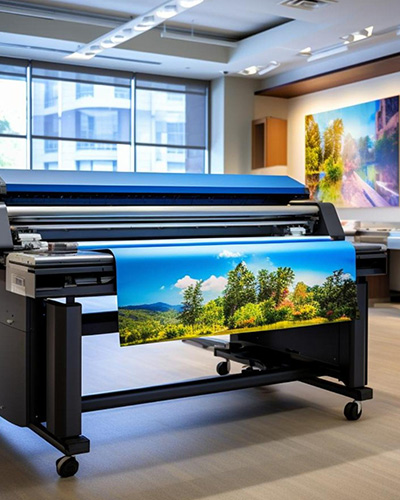
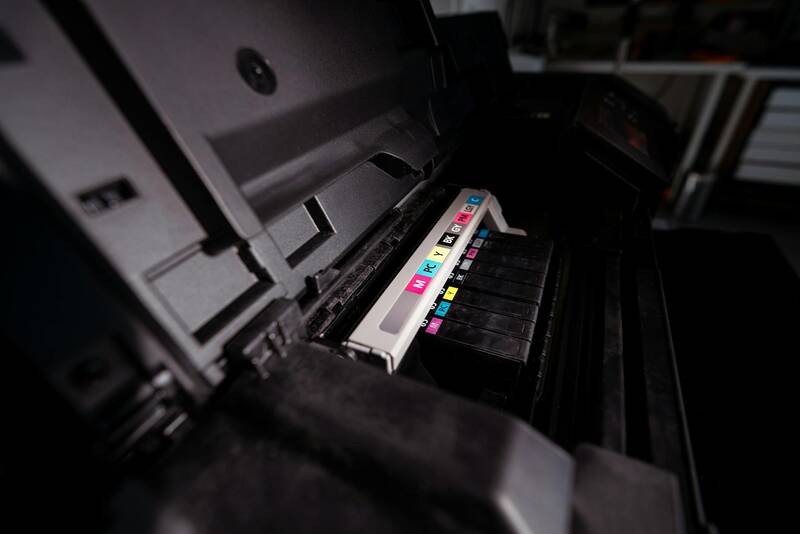
Digital printing utilizes large-format inkjet printers to produce vibrant, detailed images directly onto the banner material. This method offers rapid turnaround times and precise color matching, making it suitable for complex graphics, photographs, and short runs. The versatility of digital printing allows customization and quick updates, appealing for promotional campaigns that demand flexibility.
Screen Printing
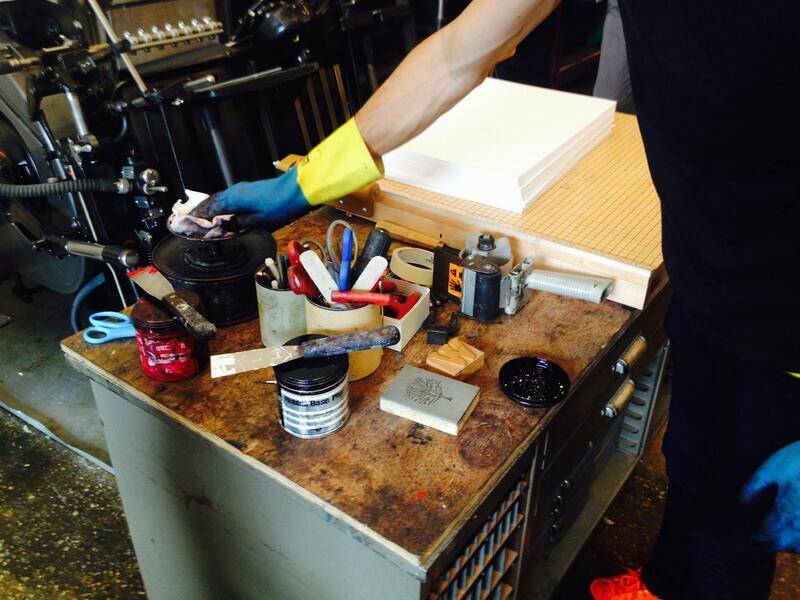
Screen printing involves creating a stencil (or screen) for each color used in the design. Ink is then pushed through the screen onto the banner material. Known for producing highly durable images with vivid colors, screen printing is best suited for bulk production of simple designs or logos that require long-lasting quality. This process is cost-effective for large quantities but less flexible for intricate or multi-colored images.
Types of Banners and Printing Techniques
When selecting a printing service banner, understanding the various types and the printing techniques used is essential to achieving optimal visual impact and longevity. Different banner materials and printing methods cater to specific environments and purposes, ensuring that your promotional message remains effective and durable.

Banner Types for Diverse Settings
- Vinyl Banners: Versatile and weather-resistant, vinyl banners are commonly used for both indoor and outdoor advertising. They offer high durability and vibrant print quality, making them suitable for long-term displays outside commercial venues or during outdoor festivals.
- Fabric Banners: Known for a premium appearance, fabric banners utilize materials like polyester or satin. They are ideal for indoor events, trade shows, or high-end store displays, providing a sleek and sophisticated look.
- Mesh Banners: Designed with perforations, mesh banners are optimized for outdoor use where wind conditions are a concern. The permeability allows air to pass through, reducing wind load and mounting stress, perfect for large outdoor signage.
- Eco-Friendly Banners: Made from sustainable or recyclable materials, these banners cater to environmentally conscious campaigns, combining durability with eco-responsibility.
Printing Techniques Elevating Banner Quality
The printing method selected influences the final appearance, cost, and lifespan of the banner. Two primary techniques dominate the industry — digital printing and screen printing — each suited to different project needs.
Digital Printing for High-Resolution Graphics
Utilizing large-format inkjet printers, digital printing produces sharp, detailed images with vibrant colors directly on banner materials. This approach excels in producing complex graphics, photographs, and short runs, offering rapid production times and seamless customization options. Its flexibility makes it ideal for promotional campaigns that require quick updates or bespoke designs.
Screen Printing for Longevity and Bulk Production
Screen printing involves creating a stencil for each color and pushing ink through it onto the banner material. Known for producing highly durable images with vivid, long-lasting colors, this method is most suitable for bulk orders of simple designs or logos. While less flexible for intricate, multicolored images, screen printing remains cost-effective for large quantities requiring uniformity and resilience.
Types of Banners and Printing Techniques
When selecting a banner for your promotional or informational needs, understanding the different types and printing methods available is essential to achieve optimal results. The choice of banner type depends on factors such as intended placement, duration, budget, and visual complexity.
Common Types of Banners
- Fabric Banners: Crafted from materials like polyester or nylon, fabric banners are lightweight, easy to fold, and provide a high-end appearance. They are ideal for indoor displays, trade show booths, or event backdrops, offering a sophisticated look with excellent color vibrancy.
- Vinyl Banners: Made from durable PVC or similar materials, vinyl banners are versatile and suited for both indoor and outdoor use. Their weather-resistant properties make them popular for outdoor advertising, sporting events, and storefront promotions.
- Mesh Banners: Featuring perforations, mesh banners allow wind to pass through, reducing stress on mounting structures. They are perfect for large outdoor signage where wind load considerations are critical.
- Polyethylene Banners: Known for affordability and flexibility, polyethylene banners are lightweight and suitable for short-term applications, especially in temporary events or promotional campaigns.
Printing Techniques Elevating Banner Quality

Digital Printing for High-Resolution Graphics
Digital printing employs large-format inkjet printers that deposit vibrant, precise ink layers directly onto banner substrates. This technique excels at reproducing intricate images, photographs, and detailed graphics with sharp resolution and a broad color spectrum. Its rapid turnaround facilitates quick modifications and short-run productions, making it ideal for customized marketing campaigns, event banners, and promotional displays requiring rapid deployment.
Screen Printing for Longevity and Bulk Production
Screen printing involves pressing ink through a stencil or mesh screen designed for each color used in the banner. It produces highly durable imagery with vivid, long-lasting colors, well-suited for banners that will withstand harsh outdoor conditions over extended periods. While less flexible for multi-colored, complex images, screen printing offers cost efficiency and consistency when producing large quantities of simple designs, logos, or solid color backgrounds.
Advantages of Each Technique
- Digital Printing: Optimal for detailed, colorful designs, short runs, and quick turnaround times.
- Screen Printing: Best suited for durable, straightforward graphics in bulk quantities, ensuring resilience against weathering and long-term use.
Both methods have specific advantages that influence the final appearance, lifespan, and cost of the banner. Selecting the appropriate technique depends on the project's scope, design complexity, and environmental exposure.

Custom Sizes and Formats for Banners
When planning your banner project, selecting the appropriate size and format is crucial to maximize visibility and impact. Standard dimensions often work well for typical applications, such as trade shows, storefront displays, and event signage. However, custom sizes tailored to specific spaces or unique marketing strategies can enhance effectiveness significantly.
Offering flexibility in dimensions allows your banners to fit seamlessly within designated areas, whether it's a large outdoor billboard or a compact indoor display. Custom formats also support non-traditional shapes—such as triangular, circular, or custom cut-outs—adding a distinctive edge that captures attention. These adaptations are ideal for promotional campaigns seeking a memorable visual presence.
Different installation environments may require specific formats. For outdoor settings exposed to weather elements, durable outdoor banner materials in larger sizes are recommended to withstand wind, rain, and sun exposure. For indoor use, lightweight fabrics or paper-based banners in smaller formats can be suitable, providing ease of setup and removal.
Choosing the right format involves considering the viewing distance, placement, and intended message. Larger banners with bold typography and simple graphics tend to be more effective from a distance, while intricate details and vibrant imagery are better suited for close-up viewing. Custom formats enable you to tailor your banners to these nuances for maximum engagement.
Cost Factors and Budgeting for Banner Printing
Understanding the cost structure involved in banner printing helps in managing your marketing budget effectively. Several factors influence the overall expense, including material choice, size, complexity of design, and printing technology used.
- Material Type: Durable outdoor materials such as vinyl or mesh tend to cost more but offer greater longevity. Lightweight fabrics or paper-based substrates are more budget-friendly but may not withstand prolonged outdoor exposure.
- Size: Larger banners require more raw materials and printing time, increasing costs proportionally. Custom dimensions may also necessitate specialized equipment or additional finishing steps.
- Design Complexity: High-resolution images, intricate graphics, or custom finishes like matte or gloss coatings can add to production costs. Simple designs with minimal colors are typically less expensive.
- Quantity: Printing in bulk often lowers the unit cost due to economies of scale. Short runs or single prints may carry premium pricing.
Budget planning should also account for additional costs such as installation hardware, finishing details (hem, grommets, or reinforcements), and transportation. Clearly defining your priorities—whether longevity, visual quality, or cost-efficiency—is essential for selecting the most suitable options within your financial limits.
Installation and Maintenance of Banner Displays
Proper installation is pivotal to ensure your banners achieve the desired visual impact and maintain their integrity over time. The choice of mounting hardware, location, and installation method depends on the banner type and environment.
Outdoor banners often require reinforced grommets, banner poles, or frame systems to withstand wind and weather conditions. Indoor banners may be hung using hooks or adhesive options that do not damage surfaces. Ensuring secure fastening prevents sagging, tearing, or premature deterioration.
Routine maintenance extends the lifespan of your banners. Regular cleaning using mild detergents and water prevents dirt accumulation and maintains vibrant colors. For outdoor banners, inspections after storms or heavy winds are advisable to assess damage and perform timely repairs. Storing banners properly—rolled in a dry, cool place when not in use—also protects against environmental wear and tear.
Considering factors like ease of installation, removal, and storage can save time and costs over the course of your marketing campaign. Employing professional installation services can guarantee optimal positioning and stability, especially for large or complex banners.
Advanced Printing Techniques for Banners
To achieve impressive visual quality and durability in banner printing, utilizing advanced printing techniques is essential. The most common method is large-format digital printing, which provides vibrant color reproduction, high resolution, and the flexibility to produce custom designs efficiently. This method supports various substrates, including vinyl, fabric, and mesh, ensuring versatility across different banner types. Additionally, UV printing offers enhanced scratch and weather resistance by curing inks with ultraviolet light, making it suitable for outdoor banners exposed to harsh environmental conditions.
Another notable technique is solvent printing, which employs solvent-based inks that penetrate deep into the material, yielding long-lasting prints with excellent color vibrancy. This process is particularly advantageous for outdoor banners requiring superior weather resistance and ultraviolet stability. Latex printing, a newer technology, combines eco-friendliness with high-quality output, making it an ideal choice for environmentally conscious projects. Latex printers produce flexible prints with sharp detail, suitable for both indoor and outdoor applications.

When selecting a printing method, consider factors such as intended use, longevity, environmental conditions, and budget constraints. Working with professional printing services that utilize industry-leading equipment guarantees optimal results, consistent color accuracy, and minimal production errors. These experts can advise on the most suitable technique based on your specific banner requirements and provide guidance on materials that best complement the chosen printing process.
Finishing and Protective Measures
Post-printing finishing processes are critical for enhancing the banner's usability and lifespan. Laminating the printed material offers additional protection against moisture, UV rays, and physical abrasions, which is especially important for outdoor displays. Matte or gloss laminates can be applied depending on the desired aesthetic and light reflection properties.
Adding reinforced grommets at strategic points improves the banner’s resistance to tearing and facilitates secure installation. Hemming the edges ensures durable borders that can withstand tension and prevent fraying over time. Some banners may also incorporate pole pockets or pockets at the top and bottom for easier mounting and display stability. Employing these finishing techniques contributes significantly to the banner’s overall endurance and maintains visual appeal during prolonged use.
Types of Banners and Printing Techniques
There is a diverse range of banner types designed to meet various promotional and branding needs, each requiring specific printing techniques to optimize visual impact, durability, and cost-effectiveness. Standard vinyl banners are among the most common, prized for their weather-resistant qualities and affordability. These are suitable for outdoor advertising, event promotions, and temporary displays. Fabric banners, on the other hand, offer a premium look with high-resolution printing and are often used for interior events and exhibitions.
The choice of printing techniques plays a significant role in achieving high-quality visuals. Digital printing, including large-format inkjet methods, allows for vibrant colors and intricate designs with quick turnaround times. UV printing utilizes ultraviolet light to cure inks instantly, resulting in highly durable prints with excellent resistance to fading and scratching. Screen printing is another method, preferred for bulk orders with simple color schemes, providing cost efficiency while maintaining color integrity.
Each printing method offers distinct advantages: digital printing provides flexibility for short runs and custom designs, UV printing ensures longevity for outdoor use, and screen printing remains cost-effective for large quantities with minimal color complexity. Matching the appropriate technique to the intended application guarantees a professional finish that aligns with branding goals and environmental conditions.
Choosing the Right Material for Your Banner
Selecting the appropriate material is crucial for the banner’s performance and lifespan. For outdoor banners exposed to weather elements like rain, wind, or sunlight, vinyl (PVC) is the most durable option owing to its resistance to moisture and UV rays. Matte or gloss vinyl options are available to match visual preferences and ambient lighting conditions.
Fabric banners made from polyester or nylon offer a lightweight, elegant alternative for indoor use, often preferred for trade shows or retail displays. These materials are typically printed on using dye sublimation or direct digital printing, which produces vibrant, long-lasting colors. Moreover, mesh banners featuring perforations are ideal for high-wind areas, allowing air to pass through and reducing the risk of tearing.
Environmental considerations also influence material choices. Eco-friendly options such as banners made from recycled PVC or biodegradable fabrics are increasingly available, aligning with sustainable branding initiatives. When selecting materials, consider factors such as installation location, expected exposure to elements, and desired visual effect to ensure your banner remains impactful over time.
Design Principles for Effective Banner Printing
Effective banner design emphasizes clarity, simplicity, and strong visual hierarchy to communicate key messages swiftly. A limited color palette, high contrast between text and background, and bold fonts ensure readability even from a distance. Strategic placement of logos, slogans, and call-to-action elements further enhances engagement.
Utilizing high-resolution graphics and vector images prevents pixelation and maintains image sharpness across large formats. Incorporating white space appropriately prevents overcrowding, allowing each element to stand out and guiding the viewer's attention naturally along the message flow.
Consistency in branding, including color schemes and typography, reinforces identity and aids recall. Additionally, adhering to dimensional guidelines for various formats ensures the banner fits designated spaces without awkward cropping or distortion. A professional design process also accounts for the viewing environment—whether the banner is meant to be viewed in bright outdoor light or indoor settings—to optimize visual impact.
Custom Sizes and Formats for Banners
Flexibility in size and format options allows banners to adapt to diverse display requirements. Popular dimensions include standard sizes like 3x5 feet, 4x8 feet, or 6x10 feet, but custom measurements are readily available for unique specifications. When designing for non-standard sizes, maintaining aspect ratios is essential to preserve image integrity.
Formats such as roll-up banners, which typically measure 33x80 inches, are designed for portability and quick assembly, ideal for conferences and exhibitions. Large-format banners are often printed as seamless panels, with printed regions designed to be joined seamlessly or framed for structural support. Pole pockets, reinforced edges, and grommet placements are customized to facilitate ease of installation and durability.
Considerations for format selection also include the viewing distance, placement location, and whether the banner will be hung, mounted, or set on a stand. Matching the banner’s dimensions precisely to available space ensures maximum visibility and aesthetic harmony within the environment.
Environmental Considerations and Eco-Friendly Options
In the pursuit of promoting brands and events through banner printing, many businesses and organizations are increasingly prioritizing sustainable practices to minimize environmental impact. Utilizing eco-friendly materials and methods not only aligns with global efforts to protect the environment but also enhances the company's corporate social responsibility profile.
Eco-conscious banner printing involves selecting sustainable substrates such as recycled vinyl, biodegradable fabrics, and eco-friendly digital inks. These materials are designed to reduce waste, lower emissions during production, and ensure safer disposal or recycling after use. For instance, banners printed with solvent-free or water-based inks significantly decrease volatile organic compounds (VOCs), contributing to healthier indoor and outdoor air quality.
In addition to material choices, considerate printing techniques such as digital flatbed printing offer precision with minimal waste, while eco-solvent or latex inks provide vibrant colors with reduced environmental impact. It’s essential for clients to collaborate closely with printing service providers that adhere to environmentally friendly standards, like certifications for sustainable practices or eco-labels.
Proper disposal and recycling of used banners are vital. Many printing providers offer recycling programs for old banners, turning waste into recycled materials or repurposed products. For long-term outdoor signage, considering durable, recyclable materials ensures that banners can either be reused across multiple campaigns or disposed of responsibly at the end of their lifespan.
Choosing environmentally sound options for banner printing demonstrates a commitment to sustainability, fulfilling growing consumer expectations for responsible business practices. It also leads to benefits such as lower energy consumption during production, reduced chemical emissions, and ease of disposal or recycling, fostering a cleaner environment for the community and future generations.
Careful planning and collaboration with experienced printing professionals in Singapore ensure that your banner campaigns remain impactful while adhering to eco-friendly standards. The integration of sustainable materials and practices ultimately affirms your organization’s dedication to environmental stewardship without compromising quality or visual appeal.
Additional Considerations for Banner Printing: Compliance and Best Practices
In the realm of banner printing, adhering to best practices extends beyond the creative and technical aspects. Ensuring compliance with industry standards and regulations is crucial to achieve a professional outcome that meets the expectations of clients and maximizes the impact of the promotional message.
Official Standards and Certification
Choosing a printing service that follows established standards and possesses relevant certifications guarantees that the production process aligns with recognized quality benchmarks. Certifications such as ISO 9001 for quality management systems or ISO 14001 for environmental management reflect a provider’s commitment to maintaining high standards throughout their operations. These certifications are indicative of consistent quality control, safety protocols, and environmentally responsible practices.
Clients should inquire about compliance with safety standards, especially when banners are intended for indoor or outdoor use in public spaces. Proper signage installation, visibility considerations, and adherence to local advertising regulations contribute to a successful deployment of banner campaigns.
Legal and Ethical Considerations
While focusing on legitimate methods of banner printing, it is essential to ensure that designs and messages conform to local laws and ethical standards. This involves respecting intellectual property rights, avoiding offensive or misleading content, and ensuring that all promotional material accurately reflects the advertised product or service. Working with reputable printing providers helps safeguard against potential legal issues, as they typically provide guidance on compliance and content appropriateness.
Quality Assurance and Inspection Processes
Reliable banner printing companies implement robust quality assurance processes. This includes multiple inspection stages, from digital proof approval to final examination of printed banners for color accuracy, material defects, and durability. Establishing clear communication channels with the provider allows clients to review proofs before printing begins, reducing the risk of errors or misinterpretations.
Data Security and Confidentiality
For custom banner designs that incorporate proprietary branding, logos, or confidential information, working with providers that prioritize data security is vital. Secure file transfer protocols and confidentiality agreements safeguard sensitive content throughout the production cycle, ensuring that branding strategies remain protected.
Responsible Disposal and Recycling
Post-campaign, the proper disposal or recycling of banners is an integral part of responsible advertising practices. Leading printing companies in Singapore offer recycling programs or guidance on eco-friendly disposal methods. Reusable banner materials or banners made from recyclable substrates contribute to reducing environmental impact and support sustainability efforts.
Ongoing Collaboration and Feedback
Establishing a collaborative relationship with a trusted printing service enables continuous improvement. Providing feedback on previous projects information about material preference, printing techniques, and overall satisfaction helps refine future banner campaigns to be more effective and aligned with brand objectives.
In summary, engaging with reputable, standards-compliant printing providers guarantees that your banner campaigns not only deliver compelling visual communication but also adhere to industry best practices. Transparency, quality assurance, compliance with safety and legal standards, and a focus on sustainability are fundamental elements that ensure the success and credibility of your banner marketing efforts.